
So, if you are trying to figure out where to buy Monero no KYC in 2026, you’ve likely hit a wall of demanding identity checks and blocked accounts. You aren’t alone. This guide will walk you through the modern, battle-tested methods of acquiring digital privacy without sacrificing your personal data.
If you value your financial privacy today, you already know that the mainstream crypto market has become an absolute surveillance dragnet. We were promised digital cash; instead, we got a global, permanently recorded public ledger monitored by chain-analysis firms and tax authorities.
As regulatory pressure intensifies worldwide, a massive migration is underway. Users are abandoning transparent chains and flocking to the only truly private digital asset left standing. But there is a catch: major centralized exchanges are aggressively delisting privacy coins to appease regulators.
Why Monero is the Standard for Financial Privacy in 2026
Before we dive into the specific platforms, we need to understand exactly why investors are going through the extra effort to acquire this specific coin.
The Erosion of Anonymity on Transparent Blockchains
Most beginners assume Bitcoin is anonymous. It isn’t. It operates more like a glass house. Every single time you send or receive funds, the amount, the sender, and the receiver are broadcasted to a public ledger for anyone to see forever. If an exchange connects your passport to your wallet address, your entire financial history is exposed. You wouldn’t hand a stranger a printed copy of your bank statement, yet that is exactly what you do every time you transact on a transparent blockchain.
Global Regulations and the “Travel Rule”
The regulatory hammer dropped hard in 2026. With the strict enforcement of the FATF “Travel Rule” across Europe and North America, compliant exchanges are now legally mandated to share your personal identity data with the receiving exchange anytime you move crypto. To effectively buy XMR no KYC, you have to bypass these compliant bottlenecks entirely, ensuring your identity is never linked to your initial purchase.
XMR: The Only Fungible Digital Asset Remaining in the Modern Era
Monero stands alone because it is fungible. On transparent chains, “tainted” coins (coins previously used in hacks or dark markets) can be blacklisted by exchanges. Because Monero uses Ring Signatures, RingCT, and Stealth Addresses, its transaction history is mathematically hidden. One XMR is always equal to one XMR. It cannot be tainted, tracked, or blacklisted, making it the ultimate tool for preserving wealth under the radar.
Top No-KYC Platforms for Monero
With major exchanges out of the picture, the market has decentralized. Here are the top platforms to acquire the asset securely today.
1. Quickex.io: Instant Bridge for Fiat Swaps
For those who prioritize speed and simplicity, instant non-custodial exchanges remain a vital lifeline. Quickex acts as a liquidity aggregator without forcing you to create an account. While buying directly with a bank card usually triggers ID checks everywhere, users often use clever workarounds: like buying a generalized prepaid virtual card through a third party and using it here to successfully buy Monero with credit card no verification. You simply input your receiving address, send the payment, and the protocol routes your XMR directly to your private wallet in minutes.
2. Haveno: The Decentralized Successor to LocalMonero
Source: Haveno
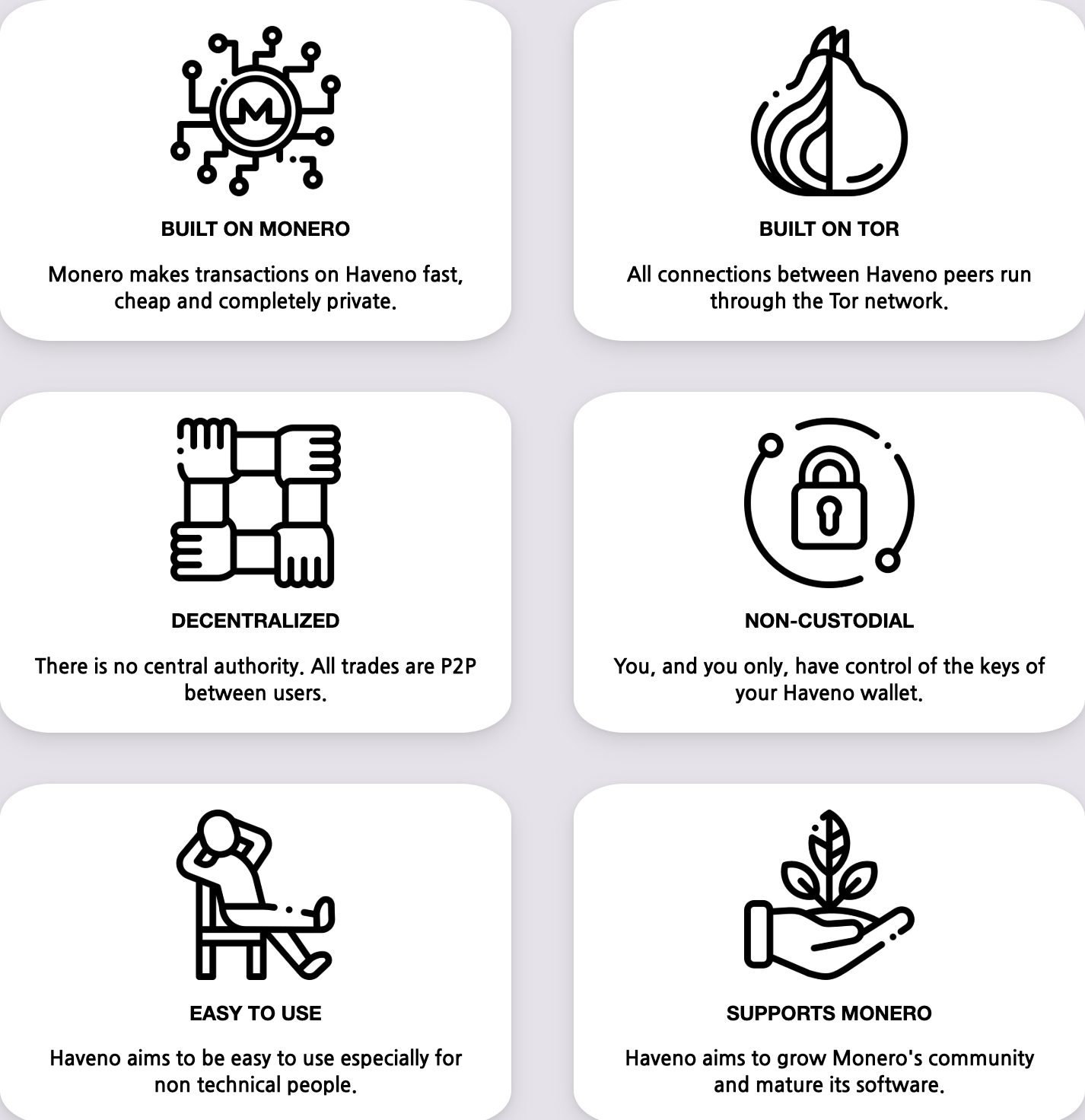
When the legendary LocalMonero platform voluntarily shut down its servers, it left a massive, gaping hole in the community. Enter Haveno. Built specifically to fill this void, Haveno is not a website; it is a fully decentralized desktop application built entirely over the Tor network. Because it has no central server or CEO, it cannot be shut down by regulators. If you want to buy Monero anonymously using local fiat currency or bank transfers, Haveno is the undisputed king of 2026.
3. Trocador: The Privacy-Centric Aggregator for Instant Swaps
Source: Trocador
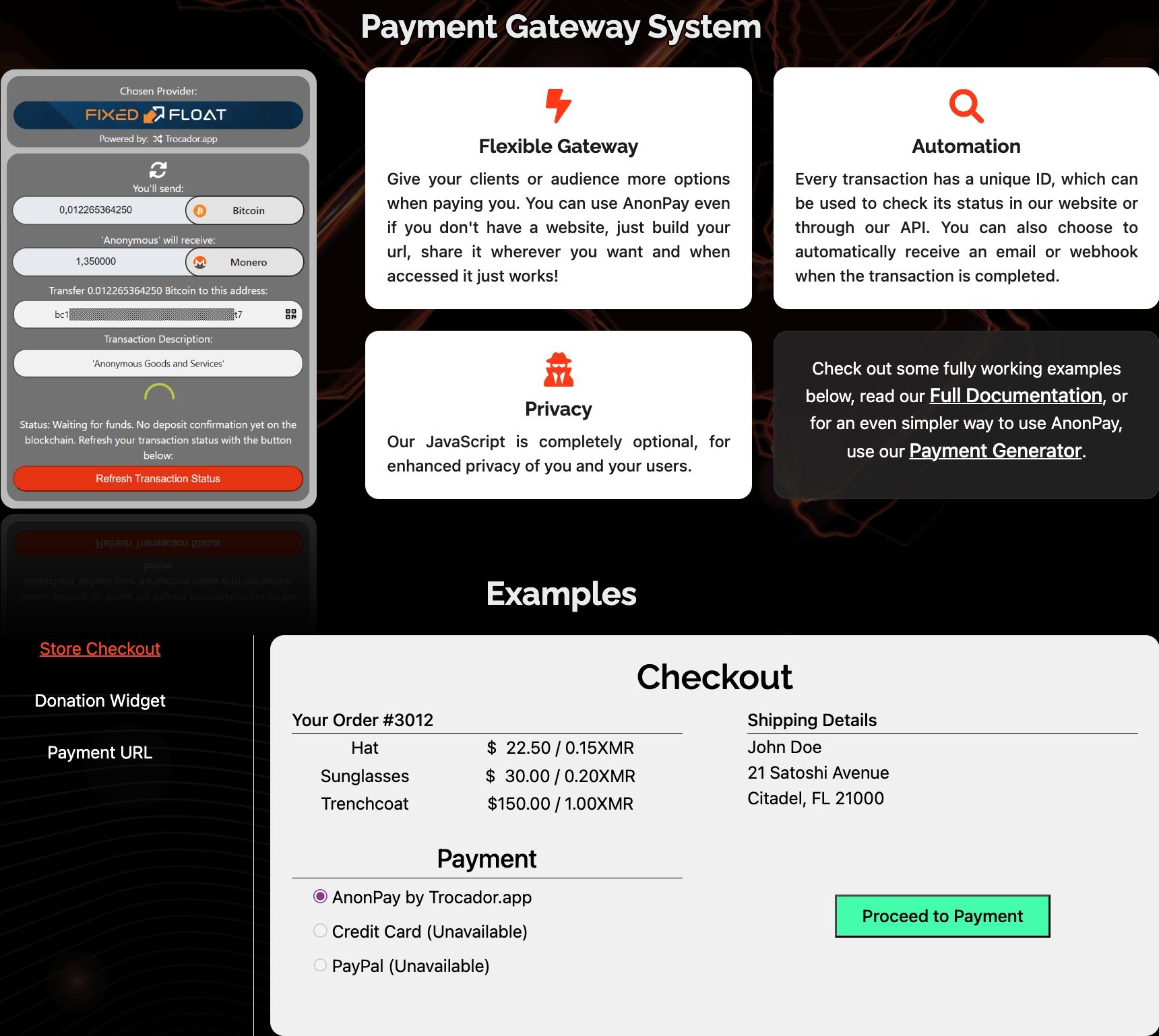
Trocador operates as a specialized privacy aggregator. It scours dozens of non-KYC exchanges across the Tor network to find you the best exchange rate for swapping Bitcoin to XMR. It effectively acts as a shield, ensuring your IP address and metadata are heavily obfuscated before interacting with the underlying liquidity providers.
4. Bisq-2: Peer-to-Peer Trading Without Centralized Control
Source: Bisq
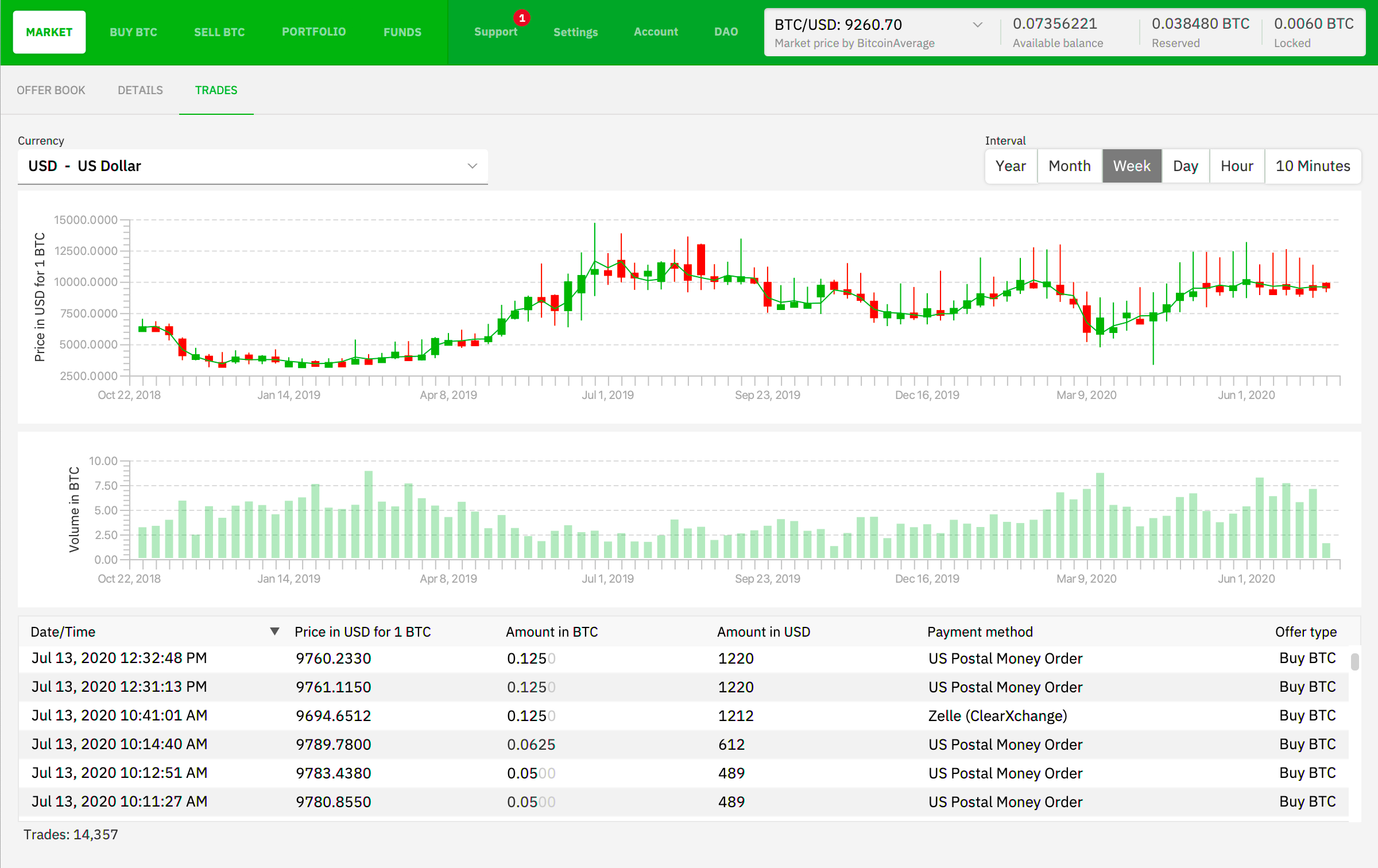
The launch of Bisq-2 brought massive upgrades to the peer-to-peer ecosystem. The biggest game-changer here is the heavy focus on Atomic Swaps. An Atomic Swap allows you to trade Bitcoin for Monero across two entirely different blockchains trustlessly, without needing a middleman or an escrow agent. It relies on cryptographic math to ensure that either both parties receive their funds, or the transaction simply cancels. For the pro-user, mastering Atomic Swaps on Bisq-2 is the absolute pinnacle of digital privacy.
5. Physical Vouchers and Cash-in-Mail
Sometimes, going low-tech is the smartest move. On P2P boards, you will still find vendors offering “cash-in-mail” trades. You literally mail physical fiat currency to a PO Box, and they release the XMR to your wallet. Alternatively, utilizing cash at a physical crypto voucher terminal completely unlinks your digital life from your financial spending.
Navigating the P2P Landscape
Peer-to-peer trading is the backbone of the privacy movement. But trading with strangers requires a solid understanding of how the underlying security works.
How Haveno Uses Monero Multisig to Secure Trades
Unlike old P2P sites that held your funds in a centralized web wallet, Haveno uses Monero’s native 2-of-3 multisignature (multisig) wallets. When you open a trade, the seller’s XMR is locked in a smart contract. It requires two out of three keys to unlock: yours, the seller’s, and an arbitrator’s. You send the fiat to the seller’s bank. Once they confirm receipt, you both sign the transaction, releasing the XMR. If there is a dispute, the arbitrator steps in. The platform never actually touches your money.
Trading Cash for XMR
If you want to know how to buy Monero anonymously in the most literal sense, local cash trades are the answer. Meeting in a public cafe and swapping physical paper money for a QR code scan leaves absolutely zero digital footprint. There are no bank transfer memos, no routing numbers, and no algorithmic flags triggered on your checking account.
Reputational Systems
In a trustless environment, reputation is everything. When using Haveno or Bisq, always look at the vendor’s trade history. Stick to vendors who have completed hundreds of trades with a 99% success rate. As a buyer, you are often expected to send the fiat payment first, so picking a highly-rated, veteran seller is the best way to ensure a smooth, scam-free transaction.
Avoiding “Shadow KYC” and Exchange Freezes
The biggest risk in 2026 isn’t the government directly; it’s the platforms secretly working for them.
Red Flags
Many users fall into the trap of using poorly vetted, low-tier exchanges that advertise no-ID swaps. You deposit your Bitcoin to swap for XMR, but instead of completing the trade, your account is suddenly frozen. The exchange claims an “automated risk management algorithm” flagged your deposit, and they now demand your passport, a selfie, and a source-of-wealth document to release your funds. This is “Shadow KYC.” Avoid platforms with thousands of Trustpilot reviews complaining about frozen funds.
The Importance of Using Tor and VPNs
If you are buying Monero anonymously, your IP address is a massive liability. If you connect to an exchange from your home Wi-Fi, your internet service provider knows exactly what website you visited and when. Always run a strict no-logs VPN (like Mullvad) or route your traffic through the Tor browser before opening a swap platform to break the digital trail before it starts.
Why Instant Swaps via Quickex Reduce the Window for Fund Seizure
This is why non-custodial aggregators are so valuable. Because you do not create an account, and the swap happens entirely on-chain within 10 to 15 minutes, there is no custodial wallet for the platform to freeze. The speed of the execution drastically reduces the window of opportunity for a “Shadow KYC” trap to snap shut on your capital.
Protecting Your Anonymous XMR
Acquiring the asset is only half the battle. Storing it incorrectly will undo all your hard work.
Why Leaving XMR on an Exchange Defeats the Purpose of Privacy
The golden rule of crypto applies heavily here: Not your keys, not your coins. If you buy XMR and leave it sitting on a centralized platform, you don’t actually own it; you just own an IOU. Furthermore, if that exchange gets hacked or subpoenaed, your funds are gone.
Monero-Only Hardware Wallets vs. General Purpose Devices
For maximum security, use a hardware wallet. While Trezor and Ledger support Monero, many privacy purists prefer dedicated, open-source software wallets paired with dedicated hardware, or using trusted mobile wallets like Cake Wallet or Monerujo. These wallets scan the blockchain locally on your device, ensuring your view keys are never broadcasted to a central server.
Essential Security
Unlike Bitcoin, Monero operates with two sets of keys: a private view key (which lets you see incoming transactions) and a private spend key (which lets you send funds). When you set up your wallet, you will receive a 25-word mnemonic seed phrase. Write this down on physical paper. Never store it in an email draft, a photo on your phone, or a cloud drive. If anyone gets those 25 words, they have total control over your anonymity.
The “Clean Entry” Strategy: Best Practices for 2026
If you want absolute, unbreakable privacy, you have to engineer a “clean entry” into the ecosystem.
Mixing Payment Methods
If you absolutely must use fiat digitally, put a buffer between your bank and the crypto. Buy a generalized, non-reloadable prepaid Visa card with cash at a grocery store. Then, use that prepaid card on an instant exchange aggregator. This is currently the most viable workaround if you need to execute a card purchase while maintaining deniability.
Obfuscating the Source
Be aware of your browser fingerprint. Using Google Chrome while logged into your Google account to buy XMR leaves a massive metadata trail. Use privacy-hardened browsers like Brave or Tor, disable tracking cookies, and never reuse the same disposable email address across different P2P platforms.
Using Sub-addresses to Prevent Wallet Linking
Monero has a brilliant feature built right into the wallet: sub-addresses. Your main wallet address starts with a ‘4’. However, you can generate infinite sub-addresses that start with an ‘8’. When you withdraw XMR from an exchange or P2P platform, always generate a brand new sub-address for that specific transaction. This prevents anyone from analyzing metadata to realize that two different withdrawals went to the exact same person.
Conclusion: Taking Back Your Financial Sovereignty
In 2026, privacy is no longer a default setting; it is a choice you have to actively fight for. As the global financial system pushes heavily toward fully tracked Central Bank Digital Currencies (CBDCs), maintaining an untethered stash of wealth is the ultimate insurance policy.
By utilizing decentralized applications like Haveno, embracing the trustless math of Atomic Swaps on Bisq-2, and leveraging instant non-custodial bridges, you can effectively secure your financial independence. The tools to buy Monero no KYC exist and are stronger than ever. All you have to do is choose to use them.
FAQ: How to Buy Monero (XMR) in 2026
Can you still buy XMR in 2026?
Yes — you can still buy Monero in 2026, but the landscape has changed dramatically. Monero survived 73 exchange delistings in 2025, and OKX removed XMR in January 2024, Binance delisted XMR globally in February 2024, and Kraken pulled XMR across the entire EEA by October 2024. However, XMR hit an all-time high near $797 in January 2026 even though 73 exchanges dropped privacy coins during 2025.
- Still listed (CEX): Centralized options narrowed to KuCoin, MEXC, Kraken (outside the EEA), Gate.io, and TradeOgre.
- Decentralised routes: Haveno P2P and BTC-to-XMR atomic swaps replaced LocalMonero after its 2024 shutdown.
- No-KYC swap services (fastest): QuickEx, ChangeNOW, StealthEX — swap BTC, ETH, or USDT for XMR in minutes with no account or ID.
- Legal status: Monero is legal to own, hold, and use in the vast majority of countries in 2026, including the US, UK, Switzerland, and most of Asia. Delistings reflect exchange compliance decisions, not government bans.
Can you buy Monero on Coinbase?
No — Monero (XMR) is not tradable on Coinbase. Coinbase’s own converter/price pages explicitly show XMR as “not tradable,” meaning you can’t buy, sell, or hold Monero on the platform.
- Why not: The primary reason is regulatory pressure around privacy coins. Coinbase CEO Brian Armstrong has said the company isn’t planning to support Monero due to regulatory issues.
- Workaround via Coinbase: Buy BTC or USDC on Coinbase, withdraw to a wallet you control, then swap to XMR using an instant-exchange service like Quickex, ChangeNOW, or StealthEX.
- Other major exchanges that delisted XMR: 73 exchanges removed the asset in 2025 alone, including Binance, Coinbase, Kraken, Huobi, OKX, and Bitstamp.
How to buy XMR using Coinbase + QuickEx?
- Buy USDT or BTC on Coinbase with your bank card.
- Withdraw to your personal crypto wallet.
- Go to QuickEx.io — select USDT → XMR or BTC → XMR.
- Enter your XMR wallet address (Monero GUI, Cake Wallet, or Monerujo).
- Send USDT/BTC — receive XMR directly in your wallet within minutes.
Where can I purchase Monero?
With most major exchanges having delisted XMR, here are the best ways to buy Monero that still work in mid-2026:
| Platform | Type | KYC | XMR Status | Best For |
|---|---|---|---|---|
| QuickEx | Non-custodial swap | ❌ No | ✅ Available | Fast, private crypto-to-XMR swap |
| Kraken | CEX | ✅ Yes | ⚠️ Outside EEA only | Fiat-to-XMR (US, UK, non-EU) |
| KuCoin | CEX | ✅ Yes | ✅ Available | Spot trading, XMR/USDT pair |
| MEXC | CEX | ✅ Yes | ✅ Available | Wide altcoin coverage incl. XMR |
| TradeOgre | CEX (no-KYC) | ❌ No | ✅ Available | Privacy-coin focused, low volume |
| Haveno | P2P / DEX | ❌ No | ✅ Available | Decentralised P2P, Tor-native |
- Best no-KYC route: QuickEx — swap 500+ coins for XMR instantly, no account, no identity verification.
- Best fiat-to-XMR (with KYC): Kraken (outside EEA) — supports XMR/USD and XMR/EUR pairs with 0.16%/0.26% fees.
- Most private: Haveno P2P + BTC-to-XMR atomic swaps — fully decentralised, no central point of failure.
Can I buy Monero in the UK?
Yes — purchasing and holding Monero remains legal in the UK as of 2026. Privacy coins are not prohibited under UK law, though they face enhanced regulatory scrutiny due to their anonymity features.
- Legal status: The UK has not introduced a direct legal ban on privacy coins, but the FCA’s strict AML supervision means some platforms avoided listing Monero or removed privacy coins to comply with FCA registration
requirements. - UK regulation in 2026: The Financial Services and Markets Act (Cryptoassets) Regulations 2026 introduced stronger regulations and tighter controls set by the FCA. The FCA enforces stricter “Travel Rule” standards and CARF now means HMRC automatically receives data on crypto transactions.
- Direct GBP-to-XMR: Rarely supported on regulated exchanges. Most UK buyers first purchase BTC or USDT via a fiat on-ramp (Kraken, Coinbase, Bitget), then swap to XMR.
- Best route for UK users: Buy USDT on any FCA-compliant exchange with GBP Faster Payments → withdraw to wallet → swap USDT → XMR on QuickEx. No additional KYC needed for the swap step.
- Tax: HMRC treats crypto as property; capital gains tax applies on disposals. Always report your XMR transactions accurately.
Is XMR a good buy? Current price, market cap and risks
Whether Monero is a good investment in 2026 depends on your conviction in the long-term demand for financial privacy and your tolerance for regulatory risk. Here’s a data-driven snapshot:
XMR current price & market data (mid-2026)
- Current XMR price: $329.99 USD (as of June 22, 2026)
- Market cap: $6.21 billion USD, ranked #18 globally
- Circulating supply: 18.8 million XMR; Monero does not have a fixed total supply — after ~18.4 million coins, a tail emission of 0.6 XMR per block continues indefinitely to incentivise miners
- All-time high: $797.73 USD; currently trading 58.6% below its peak
- 24h trading volume: $128 million USD
Bull case
- ATH in 2026: XMR hit an ATH near $797 in January 2026 even though 73 exchanges dropped privacy coins during 2025 — proof that demand persists regardless of delistings.
- 195% annual rally: Political support from US Congressman Davidson helped shift perceptions of privacy tech, boosting XMR’s price by 195%.
- Growing on-chain usage: Trading volumes in 2024–2025 exceeded averages from 2020–2021, reflecting steady demand rather than short-term hype.
- Privacy upgrades: Recent developments like FCMP++ and Seraphis aim to enhance anonymity and scalability, keeping Monero technically ahead of all competitors.
Bear case
- Exchange access shrinking: Monero faced one of the heaviest waves of delistings in its history — 73 exchanges removed the asset in 2025 alone, including Binance, Coinbase, Kraken, Huobi, OKX, and Bitstamp.
- Regulatory headwinds: New anti-money laundering laws mandate that any service holding crypto for customers must dump all privacy coins by July 2027 — a potential forced-selling event.
- Low liquidity: Daily trading volume collapsed to just $90–115 million. Bitcoin does multiple billions per day. When volume is this low, large trades cause massive price swings.
- 2026 price prediction range: Base case $380–$480; Bull case $500–$600; Bear case $250–$380.
How to buy Monero (XMR) without KYC?
The easiest way to buy XMR without KYC in 2026 is via a non-custodial swap service. Here’s the full step-by-step on QuickEx:
- Set up a Monero wallet — download Monero GUI, Cake Wallet (iOS/Android), or Monerujo (Android). Save your 25-word seed phrase securely offline.
- Go to QuickEx.io — no account, no email, no KYC required.
- Select your exchange pair — e.g. BTC → XMR, USDT → XMR, ETH → XMR, LTC → XMR, or any of 500+ coins.
- Enter the amount you want to send and choose your rate type:
- Fixed rate — output amount guaranteed, no slippage.
- Floating rate — follows live market rate, slightly lower fee.
- Enter your XMR wallet address — paste the address from your Monero wallet (starts with
4, 95 characters long). - Send your crypto to the QuickEx deposit address shown on screen.
- Receive XMR directly in your wallet — typically within 10–30 minutes depending on source network confirmations (Monero itself confirms in ~2 minutes).
Disclaimer: The material in this article is not financial or investment advice. Everything stated here reflects the author's personal view and should not be treated as a recommendation to trade or invest. We make no warranties regarding the accuracy, reliability or completeness of the information presented. Cryptocurrency markets are highly volatile and can move unpredictably. Before committing any funds, every investor, trader or crypto user should study several independent sources and check the regulations that apply in their own jurisdiction.