
Layer 2 solutions on Ethereum keep evolving to tackle high fees and slow speeds, making them key for anyone chasing fast trades in the digital asset world. As we roll through the latter part of 2025, with markets settling after big events like halvings and network tweaks, comparing zkSync, Arbitrum, and Optimism helps pinpoint which shines for zippy swaps. These rollups bundle deals off the main chain, slashing costs and wait times while leaning on Ethereum’s backbone for safety. Arbitrum vs optimism often boils down to tech choices—optimistic assumptions vs zero-knowledge proofs—while throwing zkSync into the mix adds layers on speed and scalability. This breakdown sifts through their ins and outs, zeroing in on swap performance to guide picks. Based on fresh looks from spots, we’ll see how they stack for efficient, low-hassle exchanges in today’s busy scene.
zkSync at a Glance
zkSync stands out as a zero-knowledge rollup, using math proofs to bundle deals and send compact data back to Ethereum. Launched its mainnet in 2023, it’s grown fast by 2025, hitting averages around 100 TPS with peaks way higher thanks to sharding tricks.
Fees sit low, often under $0.01 per swap, making it a go-to for cost-watchers.
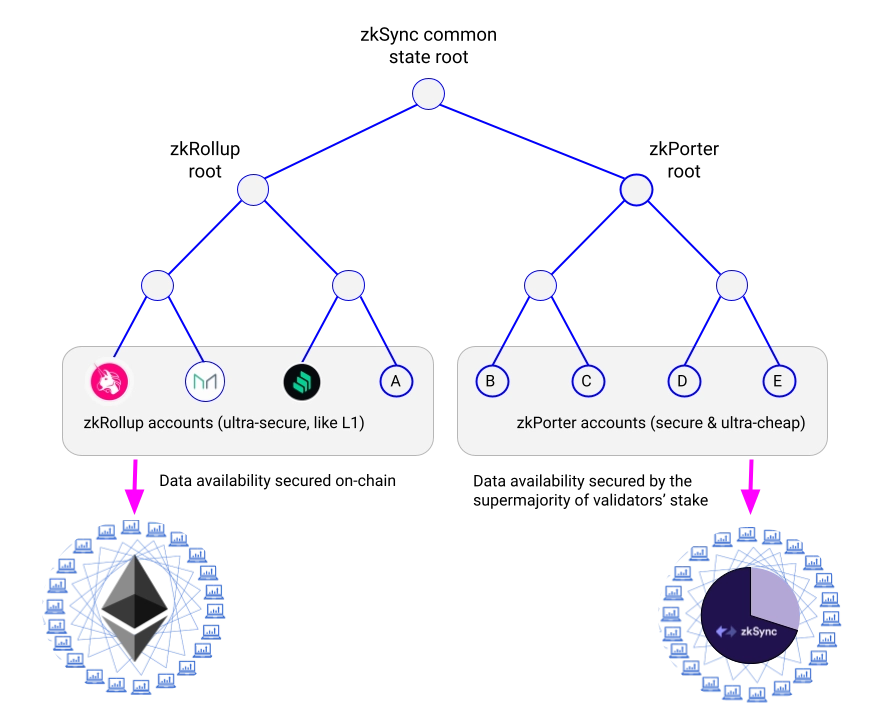
Security comes from validity proofs—no waiting for challenges, just instant finality once posted.For swaps, zkSync’s setup lets quick confirms, ideal for DeFi plays where seconds count. Its zkEVM keeps things compatible with Ethereum tools, so devs port dApps easy. In 2025, updates like zkPorter push TPS to 100,000+, outpacing others for heavy traffic.
Downsides? Higher compute for proofs bumps fees in complex deals, but overall, it’s built for scale without big waits.
Arbitrum Breakdown
Arbitrum runs on optimistic rollups, assuming deals are good unless challenged, which cuts costs but adds a week-long window for disputes.
By 2025, it’s the most mature, with TVL over $12B and TPS around 20-40 on average.
Fees hover at $0.05-0.42, cheaper than base Ethereum but varying with load.
Swap-wise, Arbitrum’s EVM match lets seamless ports of DEXs like Uniswap, with quick executions under high vol.
Its multi-round fraud proofs keep security tight without heavy compute. 2025 brings proto-danksharding, dropping fees 5-10x for even faster, cheaper swaps.
Challenges? Dispute waits delay finality, not ideal for instant needs, but for most swaps, it’s reliable with deep liquidity.
Optimism Explored
Optimism, another optimistic rollup, focuses on Ethereum ties with its OP Stack for easy chain spins. In 2025, TVL sits around $430M-2B, with TPS at 10-20 averages.
Fees run $0.09-0.12 per txn, low but sequencer-dependent, raising centralization flags.
For swaps, Optimism’s Superchain vision links multiple L2s, smoothing cross-rollup moves with low latency.
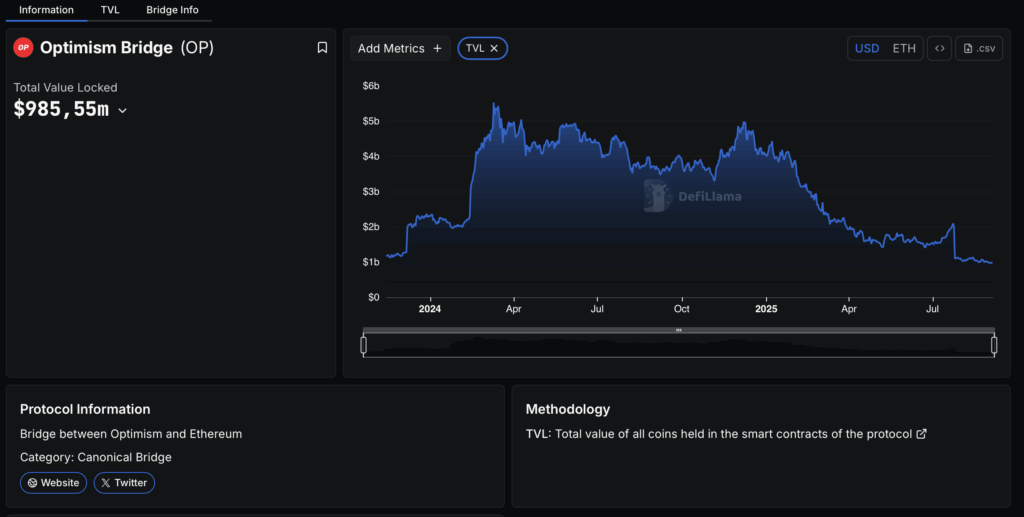
It’s dev-friendly, with fraud proofs in works for better security. 2025 upgrades like Message Passing aim for seamless token bridges, boosting swap efficiency.
Issues? Sequencer centralization risks tampering, though it claims no alterations. Overall, it’s strong for cost-effective, connected swaps.
Transaction Speeds Compared
Arbitrum vs optimism vs zksync on speeds: zkSync leads with 100-100,000 TPS thanks to ZK proofs and sharding, making it top for instant swaps.
Arbitrum hits 20-40 TPS, solid but waits on challenges.
Optimism averages 10-20 TPS, with similar dispute delays.
For fast swaps, zkSync’s finality under seconds beats optimistic waits of minutes to days.
In 2025, proto-danksharding amps all, but zkSync’s edge holds for high-throughput needs. To highlight the key performance metrics for quick swaps, here’s a table comparing the three:
| Metric | zkSync | Arbitrum | Optimism |
| Average TPS | 100-100,000 | 20-40 | 10-20 |
| Finality Time | Seconds | Minutes to days (disputes) | Minutes to days (disputes) |
| Fee Range | <$0.01 | $0.05-0.42 | $0.09-0.12 |
| Security Type | Validity proofs | Multi-round fraud proofs | Developing fraud proofs |
| Best Swap Scenario | High-volume DeFi | Deep liquidity trades | Cross-chain connections |
This table shows zkSync pulling ahead for raw speed, while the others offer strong ecosystem support.
Find out the current cryptocurrency exchange rate from the list using Quickex’s modern tools.
Fee Breakdowns
What are the main differences between arbitrum and optimism on fees? Arbitrum averages 0.051 Gwei, Optimism 0.116 Gwei—Arbitrum cheaper due to multi-round proofs.
zkSync sits under 0.01, 100x below Ethereum, with proof costs balanced by efficiency.
Optimism vs zksync: zkSync wins on low costs for simple swaps, Optimism for complex with Superchain savings.
Arbitrum vs zksync: zkSync edges for basics, Arbitrum for DeFi depth with lower surges.
Security and Reliability
Arbitrum vs optimism comparison on security: Both optimistic, but Arbitrum’s multi-round cuts dispute costs, Optimism develops fraud proofs amid centralization worries.
zkSync’s validity proofs offer instant security without waits, stronger than optimistic assumptions.
Reliability: Arbitrum stable in congestion, Optimism similar, zkSync newer but robust with ZK tech.
For swaps, zkSync’s finality dodges rollback risks.
Fit for Quick Swaps
Arbitrum to zksync or optimism to zksync? zkSync tops for pure speed with high TPS and low latency, ideal for fast swaps dodging waits.
Arbitrum suits DeFi with deep liquidity, Optimism for connected chains in Superchain.
For swaps, Quickex provides crypto-to-crypto without KYC, quick and private for cross-L2 shifts. zkSync wins for instance, but Arbitrum/Optimism for ecosystem ties.
2025 Outlook
Optimism vs arbitrum in 2025: Optimism’s Message Passing boosts cross-swaps, Arbitrum’s Orbit for custom chains. zkSync’s zkPorter eyes 100K TPS, leading to scalability. EIP-4844 and Pectra cut fees across, but zkSync’s proofs promise fastest finality.
Wrapping the L2 Comparison
Layer 2s like zkSync, Arbitrum, and Optimism reshape Ethereum for quicker, cheaper deals, each with twists suiting different swap needs. From zkSync’s proof-driven speed to Arbitrum’s mature liquidity and Optimism’s chain links, picking hinges on priorities—fast finality or deep ecosystems. Arbitrum vs optimism vs zksync shows zkSync edging for pure pace, but all shine in cutting Ethereum’s drags. In 2025’s upgrades, these tools dodge congestion, but watch fees and security. For users, test with small swaps, blend for best, and stay updated on tweaks—right picks turn slow drags into swift wins, unlocking Ethereum’s full punch without the old waits.