
Artificial intelligence has already become a full-fledged participant in the crypto market. It helps traders analyze charts, news, and market sentiment, saves hours of routine work, and reduces emotional mistakes. But AI is not a magic button — it’s a tool that only benefits someone who understands how the market and risk work.
In this article, we’ll explain what AI-based assistants are and exactly how you can use them to earn on cryptocurrency.
Track cryptocurrency exchange rates with Quickex.
What Is an AI Assistant in the Crypto World
An AI assistant is an intelligent helper built into a trading platform or app. It understands user queries, analyzes data in real time, and suggests possible solutions: from trade advice to education.
Unlike classic trading bots, assistants can adapt, take context into account, and learn from new data. On some exchanges, such systems help analyze the market; on others, they simplify learning or automate part of the actions.
The main value of AI isn’t that it “earns money by itself,” but that it helps a trader make more balanced decisions and stick to discipline.
How to Start Earning with an AI Assistant
You can use artificial intelligence in trading without special knowledge. The main thing is to proceed step by step and keep control over decisions.
- Choose an exchange with AI. Suitable platforms are those where AI is built into the ecosystem, such as Binance, Bitget, or Coinbase.
- Register and activate the assistant. After creating an account, find the section with AI tools and turn it on.
- Set goals. For learning, educational assistants like Binance Sensei are suitable, and for market analysis — Bitget GetAgent or Binance’s AI tools.
- Start with a demo or a minimal amount. This way, you can test the assistant’s operation without risking money.
- Analyze the recommendations. AI offers scenarios, but the final decision is always made by the trader. Understand the logic behind its advice — this will improve your own market intuition.
- Revisit settings. The market moves in cycles, and a strategy that works today may not fit tomorrow.
- Set risk limits. Define your maximum loss per trade and per day. If the assistant produces a series of losing ideas, take a break and analyze what went wrong.
AI is effective only in tandem with a human. When a trader sets boundaries, controls risk, and understands what they are doing, artificial intelligence turns from a toy into a tool.
AI Assistants on Popular Crypto Exchanges
Let’s look at popular AI programs for trading offered by leading crypto exchanges.
Binance
Binance is a leader in implementing AI in the crypto ecosystem. In 2023, the company launched Binance Sensei — an educational assistant on the Binance Academy platform. It helps users learn about blockchain and trading principles in a dialogue format.

In 2025, Binance announced the launch of a trading AI assistant with text and voice interfaces. Its rollout is phased, and it is not yet available to all users. The assistant analyzes indicators and news and suggests possible actions.
In addition, Binance is developing trading bots that allow you to automate strategies. This is not artificial intelligence in the full sense, but it is a good tool for systematic trading.
Third-party projects using AI are also appearing in the ecosystem — for example, the Laura AI agent — but this is not an official Binance product.
Coinbase
Coinbase chose a different path: it focuses on technologies and tools for developers. AgentKit is a toolkit that allows you to create your own AI agents interacting with blockchains, wallets, and smart contracts.
For internal use, the company has CB-GPT Studio — a no-code platform where employees create AI assistants for work tasks.
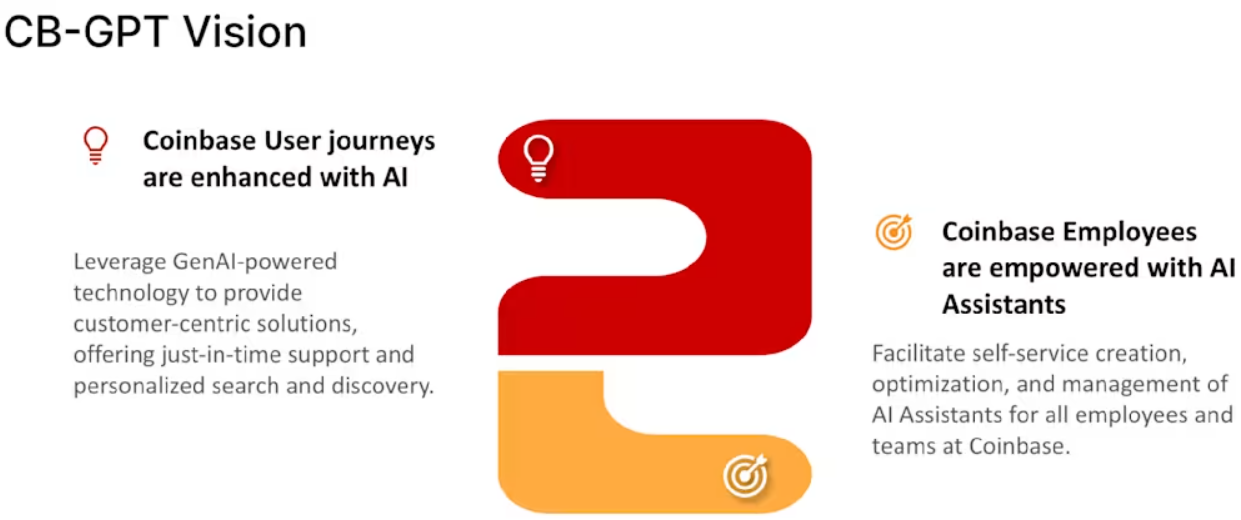
So far, Coinbase does not have a mass-market assistant for traders. But the company is actively developing an architecture that will allow the creation of personal trading agents based on its technologies in the future.
Bitget
Bitget was among the first to embed AI directly into the trading process. In 2025, it launched GetAgent — an assistant that analyzes charts and market sentiment and generates trading signals.
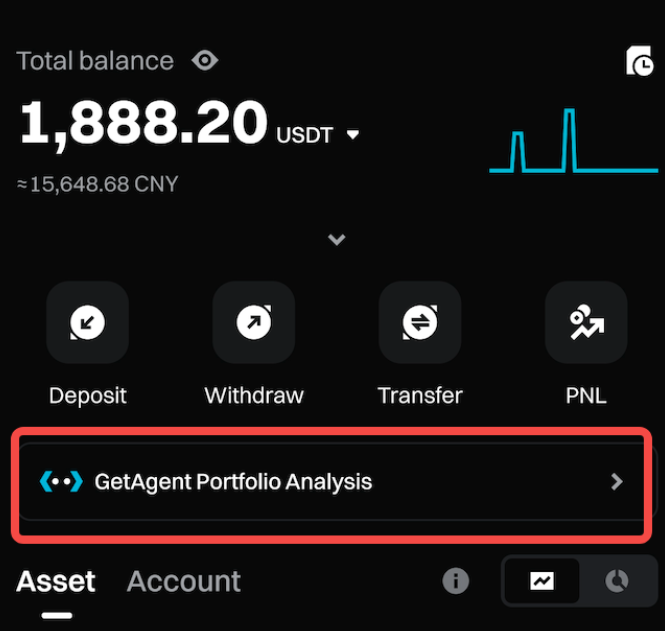
It can be used as a source of ideas or to tune your own strategy. The assistant does not execute trades itself but explains why it suggests a particular position, which helps traders develop analytical thinking.
Bybit
Bybit launched TradeGPT — an AI assistant based on the GPT-4 model and integrated with market data. It explains price dynamics, helps understand market behavior, and offers scenarios.
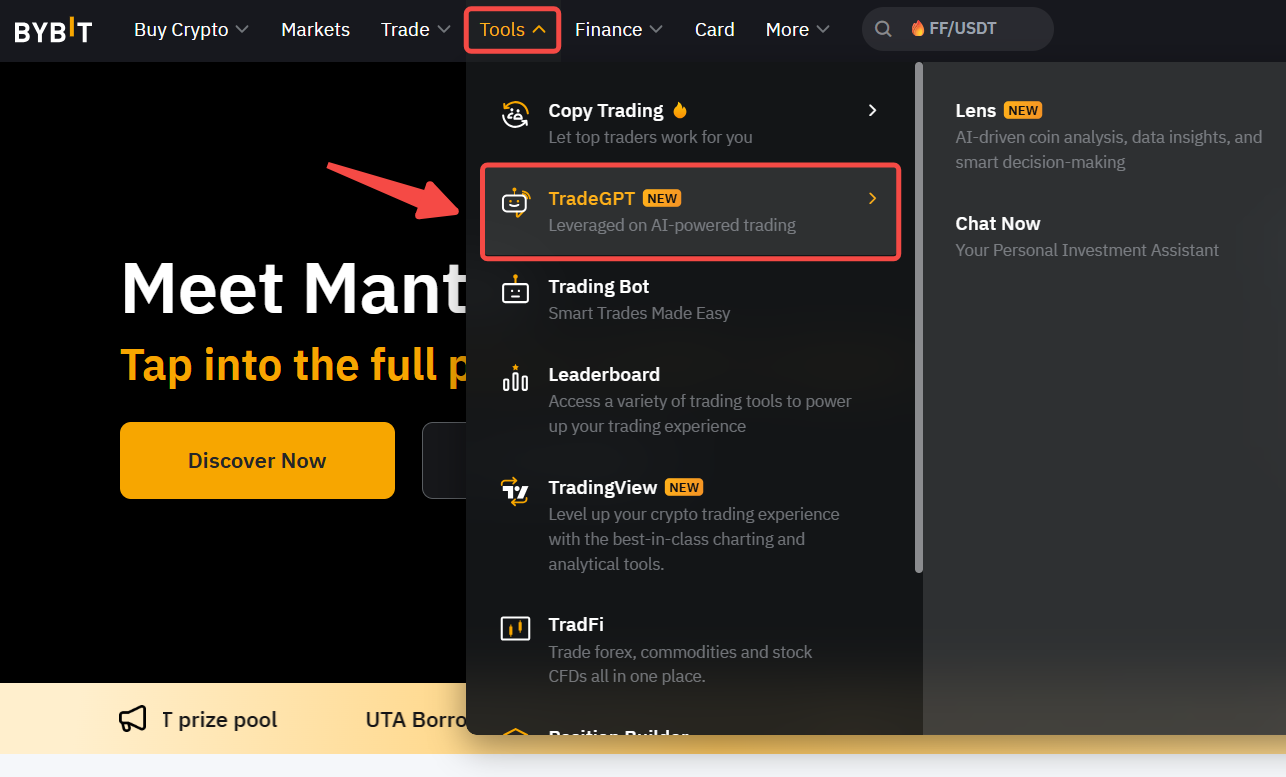
In August 2025, version 2.0 was released with an updated interface and expanded analytics.
Nansen
The analytics platform Nansen created Nansen AI — a chat assistant that analyzes on-chain data and the behavior of large investors. It’s a tool for those looking for early signals on new tokens and who want to act ahead of the curve.
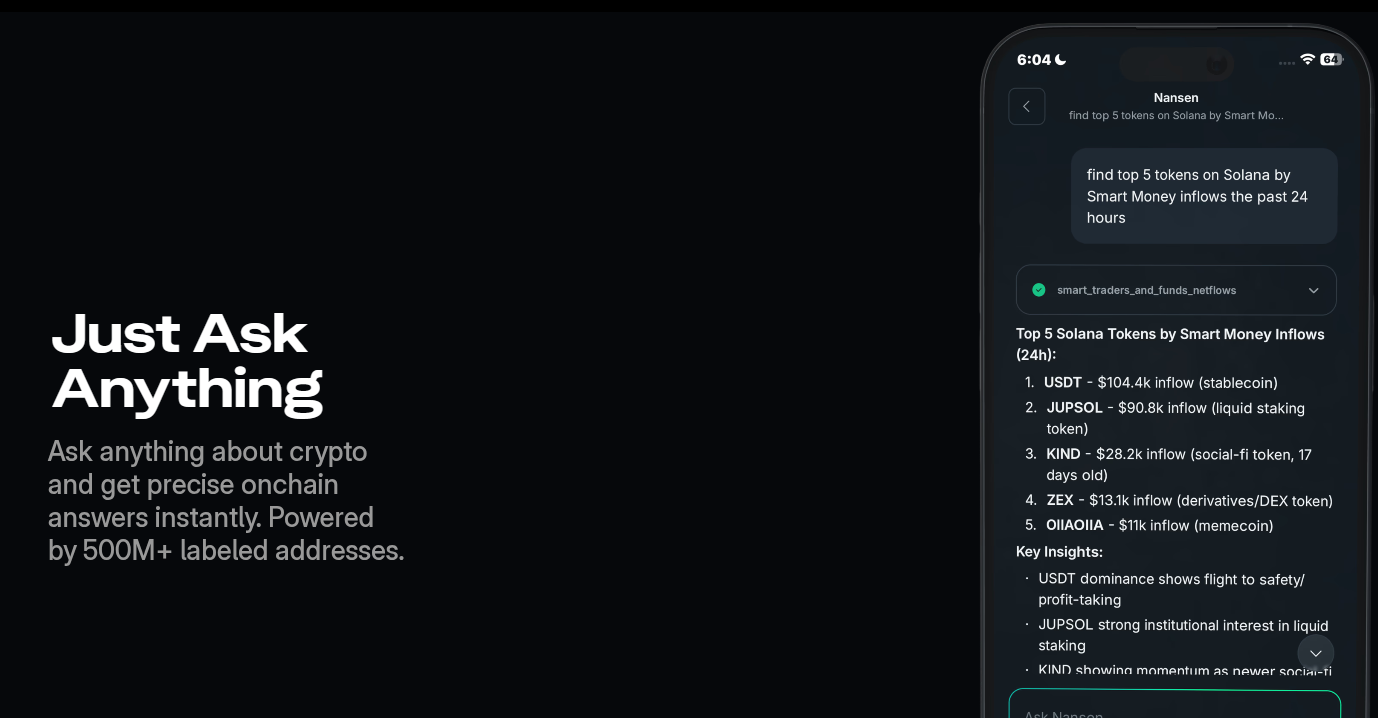
Automated trading features are still in development, with the main focus on analytics and ideas.
Comparison of Assistants
| Platform | Name | Key features | Availability | Autonomy | Who it’s for |
|---|---|---|---|---|---|
| Binance | AI-Trading Assistant, Binance Sensei | Market analysis, education, advice | Partial (phased rollout) | Medium | Beginners and active traders |
| Coinbase | AgentKit, CB-GPT Studio | Building AI agents and automating actions | For developers | High with custom setup | Developers and advanced users |
| Bitget | GetAgent | Market analysis, signals, idea explanations | Publicly available | Medium | Practicing traders |
| Bybit | TradeGPT | Market data analysis, scenarios | Publicly available | Low | Those who want a deeper understanding of the market |
| Nansen | Nansen AI | On-chain analytics, “whale” behavior | Publicly available | Low | Analysts and market researchers |
How AI Helps You Earn
AI assistants don’t predict the market. They speed up analysis, help systematize data, and support discipline.
First, they save time: assessing charts, news, and metrics takes minutes, not hours.
Second, they reduce the influence of emotions: people are more likely to follow a strategy when they see well-reasoned recommendations.
Third, they encourage thinking in probabilities rather than “gut feelings” — and that’s what distinguishes a trader from a gambler.
For beginners, an assistant becomes a mentor that explains the market. For experienced participants, it’s a filter for ideas and a way to test their own hypotheses.
Risks
AI, like a human, makes mistakes. It can misinterpret breaking news, fail to account for a sudden liquidity spike, or issue a recommendation based on outdated data.
It’s important to remember that AI does not take responsibility for the result — that remains with the human.
Another mistake is blind trust in the machine. The assistant helps make decisions but does not manage capital. A trader must understand the logic of actions and control risk, especially during periods of high volatility.
Bottom Line
AI assistants have already become part of modern crypto trading. Binance and Bitget make them convenient for users, Coinbase is developing technologies to build individual agents, and Nansen and Bybit are integrating AI into analytics.
Artificial intelligence does not replace humans — it augments their decisions, helps them think faster, and trade more consciously.
The winner is not the one who handed everything over to a machine, but the one who knows how to use it as a partner: a cool-headed analyst who doesn’t get tired, doesn’t worry, and helps you see the market as it really is.
You can exchange cryptocurrency at the best rate on Quickex.