

Picking the best exchange for ETH in 2025 depends on what you’re trying to do: cash out to your bank fast, find the best way to swap ETH into other coins, or access deeper ETH trading options like margin or futures. Below, you’ll find a practical map of where to go, how to compare platforms, and step‑by‑step guidance so you can sell ETH online or convert ETH safely and efficiently.
Where to Exchange Ethereum (ETH)
Centralized Exchanges
Source: Binance
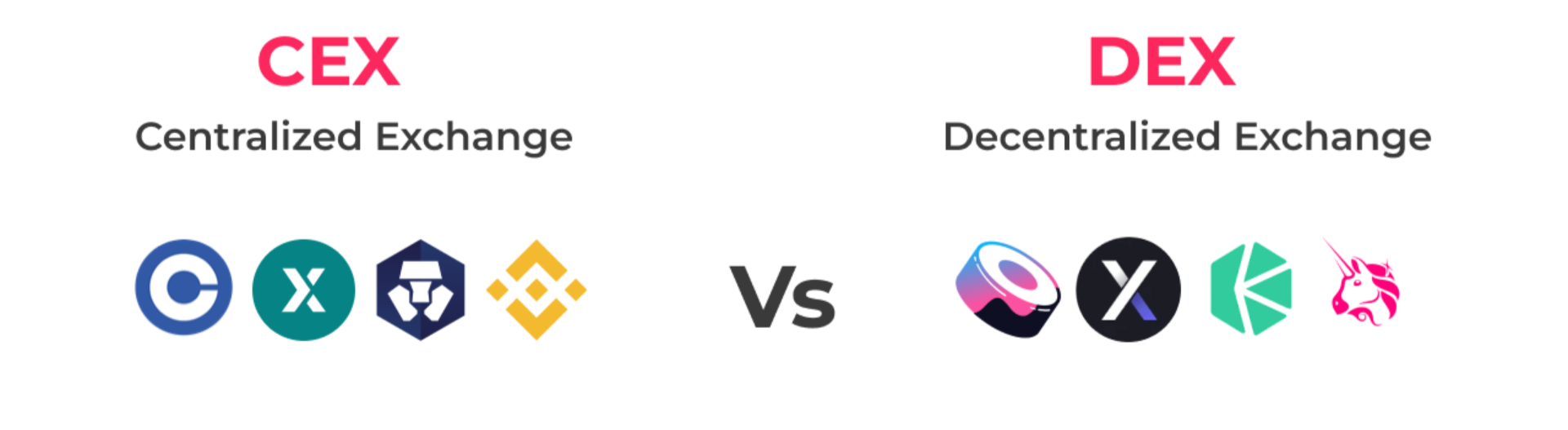
Centralized exchanges (CEXs) remain the most straightforward places to move ETH into or out of fiat. They handle custody, KYC/AML, and fiat rails, and many now support near‑instant payouts.
- Coinbase – Known for beginner‑friendly UX and strong compliance. It offers Instant Cashouts to eligible Visa/Mastercard cards and U.S. RTP (Real‑Time Payments) for fast withdrawals, plus “Advanced” trading for lower fees and more order types. Good if you prioritize simplicity and quick ETH to fiat instant options.
- Kraken – Long‑running, security‑focused exchange with a wide set of funding rails (including SEPA Instant in supported regions). Kraken Pro adds deep liquidity, spot, margin, and futures—useful if you want broader ETH trading options while keeping fees competitive.
- Bitstamp – One of the oldest reliable crypto exchanges. Solid for bank transfers (SEPA, Faster Payments in the UK, and wires). It’s a good “no‑frills” venue if you value stability and straightforward fiat on/off‑ramps.
When a CEX is best: you need fiat quickly, you prefer card/bank payouts, or you want limit/stop orders and a consolidated account view. If your goal is where to sell ETH and get funds to your bank, a CEX is typically the cleanest path.
P2P Options
Source: Coincu
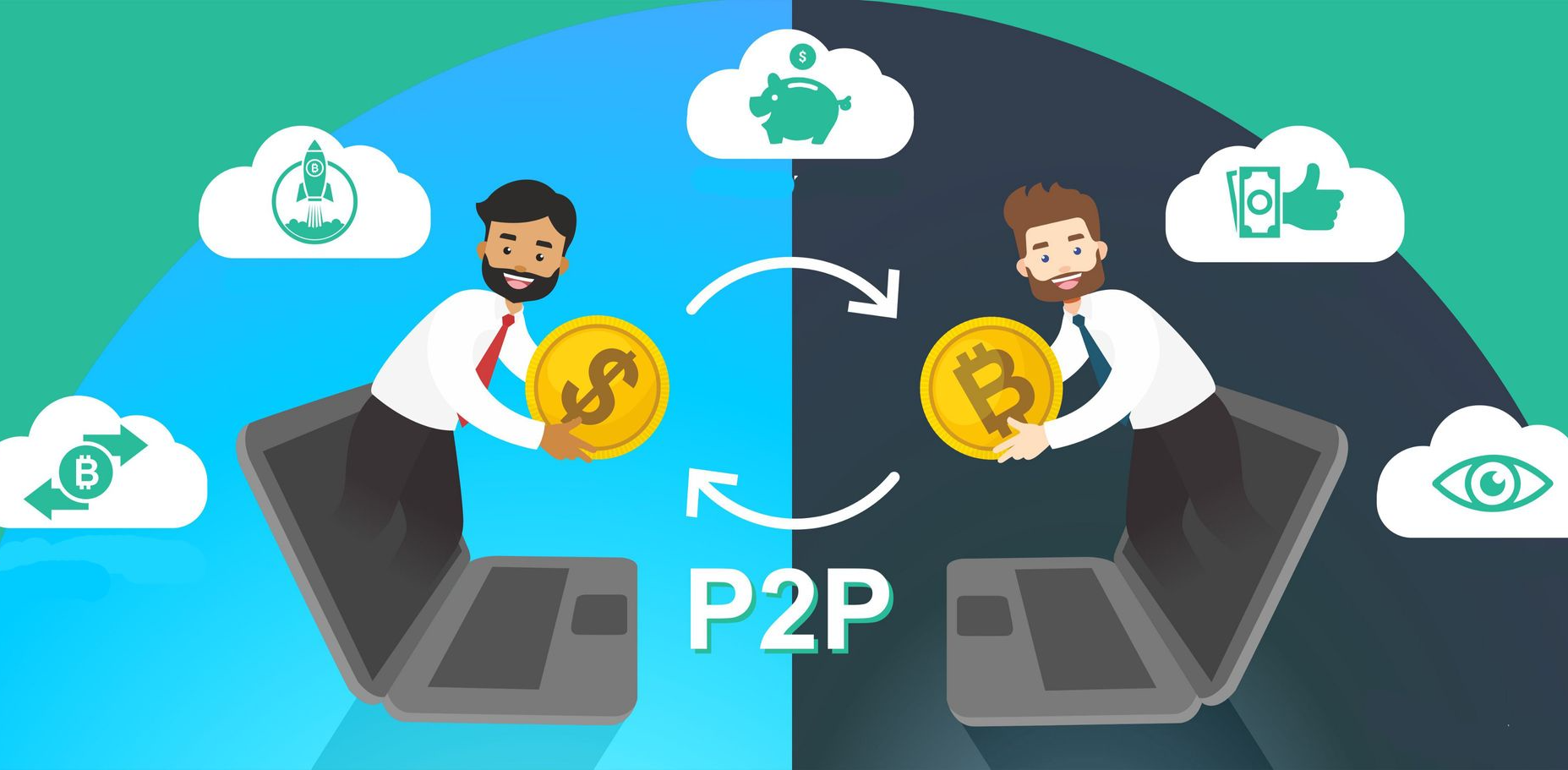
Peer‑to‑peer exchange lets you sell ETH directly to other users for local currencies and payment methods you choose. Leading P2P marketplaces (often hosted by big exchanges) escrow the crypto during the trade.
- Binance P2P – Large global marketplace with escrow and lots of payment options. Useful in regions where direct bank rails are slower or unavailable.
- OKX P2P – Active P2P board with filters for fiat currency, amount, and payment method. Good for finding local buyers and getting paid via your preferred rail.
- Bybit P2P – Offers standard P2P and “Express/HotSwap” flows to simplify matching and reduce time to completion.
When P2P is best: you want local rails the CEX doesn’t support, or you prefer to negotiate ETH price and payment method directly. Always follow platform rules and use escrow—never trade off‑platform.
Tip: P2P is about speed and flexibility, not anonymity. Expect full KYC on major platforms and always confirm that your bank account name matches your exchange account to avoid payout issues.
How to Compare Platforms
Use these criteria to choose a fast exchange platform that fits your goal:
- Payout speed to fiat
If you need ETH to fiat instantly, look for Instant Card Cashout (Visa Fast Funds/Mastercard Send), U.S. RTP bank payouts, UK Faster Payments, or SEPA Instant in the EU. Speeds vary by region and bank eligibility. - Fees and spreads
“Low‑fee exchanges” can mean low maker/taker fees on the Pro order book or a reasonable spread on simple “Convert/Buy/Sell.” If you trade often, a maker‑taker schedule with volume discounts usually beats “instant convert.” - Liquidity and order types
Active ETH/USD, ETH/EUR, and ETH/USDT books reduce slippage. Advanced order types (limit, stop, OCO) help execution quality. If you need ETH trading options like margin or futures, verify availability in your country. - On/off‑ramp coverage
Check supported banks and cards in your region. If bank transfers are slow, P2P with escrow can be faster. - Security and compliance
Look for strong security tooling (2FA/U2F keys, address whitelisting, withdrawal locks) and a track record of transparent operations. - Support and reputation
“Reliable” isn’t just uptime—it’s also responsive support, clear policies, and widely‑used fiat rails.
Step‑by‑Step Exchange Instructions
Below are straightforward flows covering three common goals: cashing out to fiat, swapping coins, and using P2P.
A) Cash out ETH to a bank or card (CEX)
- Create/verify account on a reputable CEX (Coinbase, Kraken, Bitstamp). Complete KYC.
- Add payout method: link your bank/card (e.g., RTP‑enabled bank in the US, Faster Payments in the UK, or SEPA in the EU). If eligible, enable Instant Card Cashout.
- Deposit or sell ETH:
- If your ETH is in a self‑custody wallet, deposit to your exchange ETH address.
- Or, if ETH is already on the exchange, go to Sell / Convert to move ETH → your fiat balance.
- Withdraw: choose Instant card, RTP, Faster Payments, or SEPA Instant where available. Confirm fees and limits before submitting.
- Track status in your transaction history until funds hit your bank/card. If it’s urgent, prefer instant methods and verified rails.
B) Swap ETH to another crypto (DEX or CEX)
- Fast DEX swap (e.g., Uniswap): connect wallet, pick ETH → target token, preview price impact and network fee, and confirm. DEXs are ideal for the best way to swap ETH into on‑chain tokens not listed on centralized venues.
- Order‑book swap (CEX): use Advanced/Pro to place a limit order on ETH/USDC or ETH/BTC. You’ll often get lower fees and tighter pricing than one‑click “convert,” especially on larger sizes.
C) Sell ETH via P2P
- Open the exchange’s P2P market (Binance, OKX, Bybit). Select Sell.
- Filter by fiat currency, payment method (bank transfer, e‑wallets, etc.), amount, and advertiser requirements.
- Choose a reputable counterparty (look at completion rate, volume, and KYC badges). Prefer platform escrow and in‑chat communication only.
- Start the trade: send your payment details, wait for buyer to pay, then release ETH from escrow only after you see cleared funds.
- Leave feedback and keep all receipts/screenshots. Avoid any off‑platform requests.
Best Practices for Safe Trading
Follow these safeguards wherever you decide to sell ETH online or swap:
- Use strong security: enable 2FA (authenticator or hardware key) on your exchange account. Consider address whitelisting for crypto withdrawals and a withdrawal hold after security changes.
- Confirm rails before selling: If your plan is ETH to fiat instantly, verify your bank is RTP‑enabled (U.S.) or supports Faster Payments/SEPA Instant. Link and test small withdrawals first.
- Beware of spreads and hidden fees: “Zero fees” may still include spreads on “convert.” For large amounts, use the order book or OTC.
- P2P safety: never release ETH before cleared funds arrive; avoid off‑platform chats or third‑party payment links; match legal names on accounts.
- Compliance matters: expect KYC/AML checks and regional restrictions (derivatives may be unavailable in your country). Keep tax records and export statements regularly.
- Start small: test with a small sale to confirm speed, limits, and support responsiveness before moving size.
Summary
If your goal is to find where to sell ETH fast to cash, a centralized exchange with instant rails is usually best: Coinbase (Instant Card Cashout/RTP), Kraken (broad funding options including SEPA Instant where supported), and Bitstamp (long‑standing bank integrations) are strong, reliable crypto exchanges. If you need local rails or you prefer negotiation, peer‑to‑peer exchange on Binance, OKX, or Bybit can be efficient—just follow escrow rules and safety checks. For the best way to swap ETH into other tokens, DEXs like Uniswap deliver deep on‑chain liquidity; order‑book CEXs are better for tighter pricing on bigger sizes.
Take five minutes up front to match your region, payout method, and fee preferences to the right platform. That’s the simplest way to turn “how to exchange ETH” into a confident, low‑stress trade in 2025.
Disclaimer: The material in this article is not financial or investment advice. Everything stated here reflects the author's personal view and should not be treated as a recommendation to trade or invest. We make no warranties regarding the accuracy, reliability or completeness of the information presented. Cryptocurrency markets are highly volatile and can move unpredictably. Before committing any funds, every investor, trader or crypto user should study several independent sources and check the regulations that apply in their own jurisdiction.