

Trading can feel like a high-stakes puzzle, where every move counts toward building wealth or learning from setbacks. At the center of it all is PnL, short for Profit and Loss – a key metric that tells you exactly how your trades are performing.Fast-forward to 2025, and it’s still the backbone for anyone from stock enthusiasts to crypto day traders. This article peels back the layers on what does PnL mean in trading, how to crunch the numbers, and ways to track it effectively. We’ll focus on general trading but zoom in on crypto, where volatility amps up the importance. By the end, you’ll have practical tools to monitor your portfolio like a pro, avoiding common pitfalls that drain accounts.
Breaking It Down: PnL Meaning in Trading Explained
PnL meaning in trading boils down to the net gain or loss from your positions over time. It’s not just about whether you won or lost a single trade; it’s the cumulative story of your financial journey in the markets. In essence, trading profit and loss reflects the difference between what you paid to enter a position and what you get when you exit, factoring in fees, dividends, or interest.
There are two main flavors: Realized PnL, which hits when you close a trade, and Unrealized PnL, showing paper gains or losses on open positions. For example, if you buy a stock at $50 and it climbs to $60, your unrealized gain is $10 per share until you sell. Once sold, it becomes realized. This distinction is crucial in volatile arenas like forex or commodities, where prices swing wildly.
Why track it? Simple – it guides decisions. Positive trends signal strategies working; negatives prompt tweaks. In 2025, with AI-driven tools, tracking has gotten smarter, but the core remains timeless.
Quick Comparison: PnL Versus Other Trading Metrics
To put PnL in context, here’s a table comparing it to similar concepts. This highlights why it’s a staple while others serve niche roles.
| Metric | Definition | When to Use | Example in Trading |
| PnL (Profit and Loss) | Net financial outcome of trades | Daily monitoring of overall performance | Bought asset at $100, sold at $120: +$20 PnL |
| ROI (Return on Investment) | Percentage return relative to initial capital | Evaluating long-term efficiency | $100 investment yields $20 profit: 20% ROI |
| Sharpe Ratio | Risk-adjusted return measure | Assessing if gains justify volatility | High returns with low risk: Ratio >1 |
| Drawdown | Peak-to-trough decline in account value | Gauging worst-case scenarios | Account drops from $10k to $8k: 20% drawdown |
| Win Rate | Percentage of profitable trades | Strategy refinement | 6 wins out of 10 trades: 60% win rate |
This table shows PnL as the raw, unfiltered truth – essential for real-time insights, unlike ratios that add layers of analysis.
How to Calculate PnL Step by Step
Calculating PnL isn’t rocket science, but precision matters to avoid surprises. Start with the basic formula: PnL = (Exit Price – Entry Price) x Quantity – Fees. For buys, positive difference means profit; negatives, loss. Shorts reverse it: Profit when prices fall.
Let’s walk through an example. Say you buy 100 shares at $50 each ($5,000 total). You sell at $55 ($5,500). Subtract $20 in commissions: PnL = $500 – $20 = $480 profit. Easy, right? But scale it up – add dividends ($50 received) and it’s $530.
For portfolios, sum individual trade PnLs. Tools like spreadsheets help: Column for entry, exit, quantity, fees – auto-calculate totals. In 2025, apps integrate this seamlessly, but manual checks build intuition.
Don’t forget taxes; realized gains often trigger them. Track separately to estimate liabilities.
Spotlight on Crypto: PnL Crypto and Its Unique Twists
Shifting to digital assets, pnl crypto takes on extra layers due to 24/7 markets and wild swings. What does pnl mean in crypto? It’s the same core idea – gains or losses from trading coins like Bitcoin or Ethereum – but amplified by leverage and fees on exchanges.
In crypto, unrealized PnL fluctuates madly; a 10% Bitcoin dip can erase weeks of gains overnight. Platforms like Binance or Coinbase show real-time dashboards, factoring in gas fees or slippage. For futures, it’s even trickier: Leverage multiplies outcomes, so a small move can yield massive pnl crypto meaning shifts.
I’ve seen traders ignore this, chasing hype coins, only to face liquidation. Track daily, using wallets that sync trades automatically. What’s pnl in crypto for NFTs or DeFi? It includes yields from staking, adding complexity but rewards.
Best Ways to Track Your Trading Profit and Loss
In today’s tech-savvy world, tracking isn’t manual drudgery. Apps like TradingView offer charts with built-in PnL overlays. Portfolio trackers such as Blockfolio (now FTX, but evolved) aggregate across exchanges.
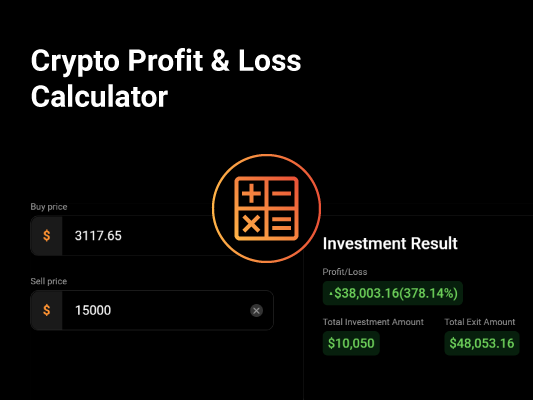
For pros, APIs from brokers feed data into custom dashboards. Excel still reigns for simplicity: Import CSV files, use formulas like =SUMPRODUCT for weighted averages.
Crypto-specific? Delta or CoinStats apps shine, showing unrealized vs realized breakdowns. In 2025, AI assistants predict potential PnL based on trends, but verify with historical data.
One handy tip: Set alerts for thresholds, like 5% daily loss, to prompt reviews.
Essential Tips: A Markered List for Mastering PnL
To elevate your game, here’s a bullet-point rundown of proven strategies. These have helped me and countless traders stay ahead.
- Log Every Trade: Note entry/exit prices, reasons, and emotions – patterns emerge over time.
- Factor All Costs: Include spreads, commissions, and swaps; they erode profits silently.
- Review Weekly: Don’t obsess daily; weekly aggregates smooth volatility noise.
- Diversify Assets: Spread across stocks, crypto, forex – balances sector-specific losses.
- Use Stop-Losses: Automate exits to cap downside, preserving capital.
- Learn from Losses: Analyze red PnL trades; they’re goldmines for improvement.
- Stay Tax-Compliant: Track realized PnL for reporting; software like TurboTax integrates crypto now.
Follow these, and tracking becomes second nature, turning data into decisions.
Navigating Challenges: Common Pitfalls in PnL Tracking
Even with tools, mistakes happen. Overlooking unrealized losses leads to shock at tax time. In crypto, forgetting impermanent loss in liquidity pools skews figures. Emotional bias – holding losers hoping for rebounds – inflates paper gains falsely.
Address by journaling: Why keep a position? Is it strategy or hope? In 2025, blockchain analytics tools verify on-chain PnL, cutting disputes.
For funding trades seamlessly, consider Quickex. This exchanger simplifies crypto swaps with competitive rates and user-friendly interfaces, ideal for converting fiat to assets without delays. Supporting multiple currencies, it’s a go-to for quick top-ups before diving into positions, ensuring secure and efficient transactions.
PnL in Different Market Types
Beyond basics, PnL varies by market. In stocks, dividends boost it; forex adds carry trades from interest differentials. Crypto’s pnl crypto meaning often includes airdrops or forks, unexpected bonuses.
Futures and options complicate with expiration; time decay eats calls if flat. Track via Greeks like Delta for exposure estimates.
In bear markets, focus on preservation – minimal losses equal wins. Bull runs? Scale winners carefully.
Wrapping It Up: Empowering Your Trading with Solid PnL Insights
Understanding and tracking PnL transforms guessing into strategy. From grasping what is pnl in trading to applying it in crypto’s chaos, it’s your financial compass. Start simple: Calculate a few trades manually, then leverage tools for scale. Remember, consistent positive PnL builds empires; ignore it, and markets humble quickly. In 2025’s evolving landscape, with DeFi and AI integrations, staying on top is easier than ever. Dive in, track diligently, and watch your portfolio thrive.