

Cryptocurrency trading sometimes looks like you are stepping onto a road you neither know of nor have read about. Consequently, prices skyrocketed, shooting straight back. Day in and day out, the exchanges are open and buzzing with activities. Terms such as “limit orders”, “swing trading” and “technical analysis” are bandied about like confetti. Yet, with the right foundation – you can figure this world out gradually, learn what is really valuable about digital assets, and understand how to assess and make your first trade purely by the principles.
This guide is written for absolute beginners and is designed to show how to trade cryptocurrency for beginners without confusion or unnecessary complexity.. We go over the basics: what crypto trading really means, safe beginnings, trading strategies at work, calculating risk, and fostering your confidence through practice.
What Cryptocurrency Trading Really Is
Trade in crypto comes down to simply buying and selling digital currencies in order to make a profit. The ultimate aim here is to predict the direction of price and act on that prediction. Purchase something that’s going to go up in value and sell something before its worth drops the fundamental idea of buying low and selling high. In other words, this is the core of how to trade cryptocurrencies in a practical sense.
However, unlike the stock market that is open five days a week, 24 hours a day, digital currency markets are open 24/7, providing market access to all during the week through their trading activities no matter where on Earth they are located.
Cryptocurrencies are decentralized assets, rather than share ownership of a company. They reside on blockchains – distributed ledgers that record every transaction. Some are destined to serve certain functions inside networks, for instance, the payment of transaction fees or governance to vote on decisions, while others are merely assets with which to trade profitably.
Why People Trade Crypto

There’s a reason crypto trading draws huge interest from both full-time traders and casual investors:
- Round-the-clock markets – Crypto never sleeps. You can place trades any time of day or night, any day of the year.
- Volatility moves at a frantic pace – Prices can go up or down in a matter of seconds. This creates opportunities to earn a profit.
- Low entry barriers – You don’t need a ton of capital to get started. Many platforms allow you to invest virtually any amount large or small.
- Global accessibility – Nearly anyone anywhere can get in on the action using nothing more than an Internet-enabled device.
- Variety – There are literally thousands of crypto-assets for each investor to choose from, from Bitcoin to some of the smaller altcoins.
Nonetheless, that uniqueness of approach carries with it some specific risks that other markets are not accustomed to – so you should develop an understanding of them.
How Cryptocurrency Trading Differs from Stock Trading
Comparisons are made between traditional stocks and crypto stocks, but there are dissimilarities:
| Feature | Crypto Trading | Stock Trading |
| Market Hours | 24/7 | Limited to exchange hours |
| Regulation | Evolving, varies by country | Highly regulated |
| Custody | Trader often controls private keys | Held by brokers |
| Asset Nature | Digital tokens on blockchains | Shares representing company ownership |
As crypto legislation is seen growing in many regions, you have to take on more responsibility when it comes to deciding safety and risk.
Step-by-Step: How to Start Trading Crypto
If you’re wondering how to start crypto trading, the most important thing is not to rush into your first position. Instead, build a safe setup first: choose a reliable exchange, secure your account, fund it properly, and decide where your assets will be stored.
1. Choosing a Reliable Exchange
Step one is to select where you will be trading. The cryptocurrency exchange is a platform where you can buy and sell digital coins, so the choice of the platform is significant. In the beginning, it is better to focus on payment options that are not too confusing and highly recognized, with all processes and fees shown on the official website. Furthermore, it is desirable that the user interface should not reconstitute the hyper-gushing aesthetics of an aircraft. It would also be cool if there were provisions for your local currency and a right call from a list of coins and trading pairs.
It is certainly reasonable to consider that editorial and infrastructure design differs enormously between different exchanges. In simplistic form, all exchanges require the same framework: create an account followed by verify identification, deposit funds, and finally, trade. In general, do not trust the exchange’s own promotion alone, research their reputation with unbiased reviews and community feedback.
2. Set Up Your Account Securely
When you have chosen an exchange, take a few minutes to set up your account correctly as it is where most beginners cut corners only to regret later. Use your email for registration and create a strong password that you have never reused. The majority of esteemed platforms necessitate Know-Your-Customer (KYC) verification as a standard procedure to reduce fraud and misuse. You should immediately turn on 2-factor authentication (2FA) because it extends protection beyond password.
Take a while to get used to the interface, trading screen, and order panel before you make your first trade. You see KYC everywhere in the space, but be very careful about where you might be uploading your documents. Watch out for unofficial sites or dubious links requesting sensitive information from you.
3. Funding Your Account
After verifying your account, the next step is to deposit funds. Most exchanges will accept deposits via bank transfer, debit/credit card, or transferring crypto from another wallet. Each technique has its pros and cons- go for the method that is able to pool speed, the cost of exchange (fees), and convenience. Bank transfers are often very economical, while waiting for card payments is faster but comes with serious costs. Once your account balance is updated, time to trade.
4. Choosing a Wallet
You may sometimes store some of your crypto ‘on’ the exchange, but it is clearly unsafe in the long term. A wallet, typically designed for securing digital assets, would provide a more secure option. Hot wallets are online and are favorable for those engaging in plenty trading activities and frequently transferring funds. Cold wallets store assets in an offline storage capacity and are much more secure for long-term holding.
In general, beginners tend to start with a hot wallet while learning the fundamentals, but once your portfolio starts to grow, it would be quite sensible to put your main holdings in cold storage to minimize your exposure to hacks and platform problems.
First Trades: Buy, Sell, and Swap
Once funded, one can initiate trade. Choose a pair such as BTC/GBP or ETH/USD, depending on what you intend to buy and with what currency. This is where you may want to enter a trade right now because a market order transacts at the best price at the time of submission. Or if you prefer exercising more control, a limit order sets a price for which you are willing to either buy or sell and will be executed only when the current market rate crosses that level. Additionally, many platforms have swaps: swapping one currency directly for another without first changing back into cash. This is one of the simplest ways to trade crypto when you are just getting started.
Understanding Orders and Market Basics
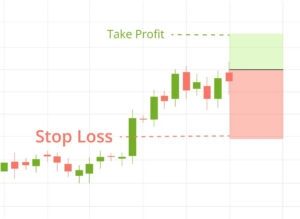
It is important to understand popular order types prior to seriously beginning in trading, considering that they dictate how you enter and exit positions. Market orders mean that you intend to buy or sell now, in influence of the then current available price. With a limit order, you assume control of the situation because the workers (yourself and the broker) are the ones fixing the price at which to enter or exit.
A stop-loss order is simply a stopgap buy/sell order which will limit your loss in case a specific price is hit. The take profit order lets start working in a completely different direction by releasing profits when the target price is met. The way orders are used assists in providing structure and discipline, lessening slip-ups due to trading out of emotion during sharp market movements.
Popular Crypto Trading Strategies for Beginners
Your trading style should be something that assists you in your goal, availability of time, and risk tolerance. This is why crypto trading for beginners usually starts with simpler strategies before moving into more advanced setups.
HODLing (Long-Term Holding)
“HODL” – a playful term derived from a typo simply means buying and keeping assets over months or years. Instead of reacting to every price fluctuation, you hold strong coins like Bitcoin or Ethereum in hope of long-term growth.
Day Trading
Within a session, buying and selling are done all through the day to benefit from price moves in the short term. This method asks for a lot of experience, discipline and is greatly attentive to significant market data. Best for-people who can monitor markets nearly every minute of their waking hours.
Swing Trading
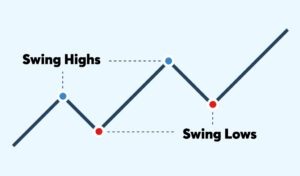
Lots of swing traders take positions with the expectation of gaining from the “swings” in price patterns in a few days to weeks. Somewhere stuck between day trading and HODLing-not too intense or as quick; not too easy or plain, thus inviting newbie traders to a world of handsome profits or extreme pressure.
Dollar-Cost Averaging (DCA)
Here is where a fixed amount is invested regularly, e.g., £50/week, irrespective of the price. This tames the problem of markets and time, making things much easier to invest.
Choosing the Right Cryptocurrencies to Trade
It’s tempting to chase whatever coin is trending, but that’s usually where beginners get burned. A more solid approach is to begin with assets having publicly available trading history, consistent volume, defined use cases, and proper backing from individuals that are actively selling. This impacts liquidity and hence makes trading easier. Along with tight spreads and much discount, liquidity warrants less chaotic price movement than small token prices with no volume. Many beginners opt for Bitcoin (BTC) or Ethereum (ETH) to start because of their heightened liquidity and backing from the demand side and established ecosystems.
Reading Price Charts and Technical Indicators
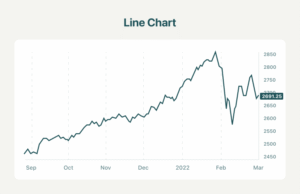
Price charts showcase the asset movements over time and also inform the trader that their decisions should be based upon patterns, especially when the going gets tough. Beginners should learn how candlestick charts work, since they offer a clear view of price action and market sentiment. Along with that, it becomes important for traders to understand support and resistance zones since these zones are levels at which prices stall, bounce, or reverse due to market psychology.
In addition to these, trend indicators, such as moving averages or RSI, are useful to determine if the market is overbought, oversold, or trending strongly. These tools may help one improve in timing the entries and exits but should not be construed as guaranteed indicators in the trading process.
Managing Risk: The Unsung Hero of Trading
Risk management is a real-life savior for traders who last and turn a tragedy for the latter. A simple and sure rule no trader can violate is avoiding the risk of losing 1-2% total capital on a single trade. The stop loss is vital to protect from sudden dumps and to prevent little losses from snowballing into nightmares.
It is equally important to abide by your own tactics and judge every trade afterward, which will lead to progress in time rather than just repeating the same mistakes. Most importantly, one should not let fear, greed, or hype set the pattern for their trading. Even long-term holders need to have a plan in abundance, as cryptocurrency markets are prone to wild and unexpected pressure.
Security: Protecting Your Assets
Crypto is digital, which means security isn’t optional – it’s part of the game. Whenever possible, opt for non-custodial wallets so that you keep full control of the funds rather than having to trust in the hands of an exchange. Two-factor authentication across each and every account you are using is not a luxury; this is not negotiable, particularly on exchanges and emails.
This should be one of the main rules in crypto: Your private key(s) should never be shared with the outside world for any reason, as these are your way to directly control your funds. You should also stay alert for phishing attempts and fraudulent websites, because scams are extremely common in this industry. Security mistakes can be costly, so treating protection as a priority from day one is one of the best habits you can build.
Common Mistakes Beginners Make
Most beginners jump into the same kinds of mistakes, but these must be detected earlier if one is keen to save money. One common mistake is going straight into advanced strategies like leverage trading without mastering the basics. Another is trading many coins at once, thus creating chaos and leaving a learner in wonder about what works. Many newcomers totally ignore fundamentals and vary their actions according to hype. In other words, they buy in because something is “pumping” and not because it has a real value to grow.
Emotional trading is another big problem, like panic selling during a dip or FOMO purchasing at the very end. Finally, many people underestimate basic security, which can lead to account compromise or stolen funds. In crypto, patience and consistent learning are not just helpful – they’re survival skills.
Final Thoughts

Cryptocurrency trading is certainly not something that can be learned overnight, as slightly silly as that may sound. It really is some skill that one develops with practice, which is why a requirement for this trade is discipline, focus on planning and education. So you start with small trade. Trade with those assets or instruments you know about, and be cautious about your risk management; protect your money and learn from every single move that you make.
Once you put these building blocks into place, trading does not appear to be as scary as it did at the very onset, rather another market to be maneuvered through with some skill and care.
FAQ
How much money do I need to start trading crypto?
You can actually start with a very small amount. Most exchanges allow for the purchase of even a fraction of a coin, so you don’t need to buy the entire cryptocurrency just to start trading. But it makes sense to start small. It gives you room to learn without emotional pressure, and it reduces the risk of making costly mistakes while you’re still figuring out how orders, fees, and market volatility work.
Can I trade crypto without technical analysis?
Yes, you do. A lot of people invest long-term using ways like HODLing or dollar-cost averaging without looking into charts every day. However, knowing certain basics on the charts, such as support, resistance, trend direction, and volatility, will in the end help you make better decisions. You do not have to become an expert at technical analysis. A basic understanding will give you a good foundation.
Is leverage trading recommended for beginners?
The answer is no, and it is one of the most important points in what is happening in crypto trading. Leverage will give you huge profits, but it can also take it away just as fast, and sometimes, within seconds, your position could end up liquidated due to some volatile moves. For beginners, the best bit is to learn the market by trading with the spot first. Leverage should be kept in the background but handled with high-level risk management afterwards, after gaining some experience.
Disclaimer: The material in this article is not financial or investment advice. Everything stated here reflects the author's personal view and should not be treated as a recommendation to trade or invest. We make no warranties regarding the accuracy, reliability or completeness of the information presented. Cryptocurrency markets are highly volatile and can move unpredictably. Before committing any funds, every investor, trader or crypto user should study several independent sources and check the regulations that apply in their own jurisdiction.