

Wondering who accepts bitcoin as payment in 2025—and how to actually use it at checkout? Here’s a practical, source-backed guide to the companies, stores and services where BTC really works today, plus safe workarounds when it doesn’t.
Is It Legal to Pay with BTC?
Global regulatory landscape
In most developed markets, it’s legal for a private business to accept Bitcoin—provided both sides follow tax and AML rules. In the United States, the IRS treats crypto as property, so buying something with BTC triggers a taxable event (capital gains/losses). The IRS keeps reminding taxpayers to report payments made in digital assets.
In the European Union, crypto service providers are being brought under MiCA, the bloc-wide framework that tightened rules for issuers and intermediaries (particularly for stablecoins). MiCA doesn’t ban merchants from taking BTC, but it sets compliance expectations for the payment rails you’ll use. ESMA and national regulators have issued guidance through 2024–2025.
Japan explicitly recognizes crypto-assets as means of payment under the Payment Services Act; crypto use is legal and exchange businesses are regulated. (Transfers of Bitcoin are exempt from consumption tax.)
Bottom line: legality is usually not the blocker; tax reporting and merchant compliance are. Always check your country’s rules.
Countries where it’s accepted
BTC is not “legal tender” in most places, but private merchants across the U.S., EU, Japan and Switzerland routinely accept BTC via payment processors. A notable local policy example: Lugano, Switzerland promotes BTC/USDT payments city-wide through its «Plan ₿» program.
Why Use BTC for Purchases?
Advantages over fiat
- Global reach: pay a cross-border merchant without waiting on bank rails.
- Card-fee relief for merchants: many gateways settle in fiat while charging ~1% (vs. ~2–3% card fees), making BTC attractive to retailers who accept cryptocurrency through processors. (Exact fees vary by provider.)
Speed, fees, and (pseudo)-anonymity
- Speed: on-chain BTC confirms in ~10 minutes on average; Lightning gateways like OpenNode enable near-instant payments for small purchases.
- Fees: Lightning can be pennies; on-chain fees depend on mempool congestion.
- Privacy: Bitcoin is pseudonymous, not anonymous. Processors, typically KYC merchants, and your wallet history can be analyzed.
Where Can You Pay with BTC?
Online stores
- Newegg (electronics) – BTC checkout via BitPay; see Newegg’s help center and BTC landing page. Great example of online shops that accept crypto at scale.
- Namecheap (domains/hosting) – long-time BTC acceptance via processors like BTCPay/BitPay, making it one of the better-known companies that accept cryptocurrency.
- Shopify merchants – the platform supports crypto acceptance through apps like Coinbase Commerce and BitPay; it even added native USDC support for eligible U.S. stores in 2025, so many stores that accept crypto are effectively just “Shopify + plugin.”
Travel and hotels
- Travala – book flights and hotels with BTC and dozens of other coins.
- CheapAir – U.S. travel agency accepting BTC since 2013 (ongoing).
- airBaltic – European flag carrier that takes BTC for tickets.
Gift cards
- Bitrefill – buy gift cards with BTC for supermarkets, fuel, gaming, ride-hailing and more; this unlocks places that accept crypto indirectly when a store doesn’t take BTC at the till.
Food delivery and restaurants
Coverage is patchy outside pilot cities, but BTC maps show thousands of local eateries and cafés worldwide taking Bitcoin (often via Lightning). BTC Map maintains a community-curated directory of local businesses that accept crypto.
Services (VPN, hosting, freelance-friendly tools)
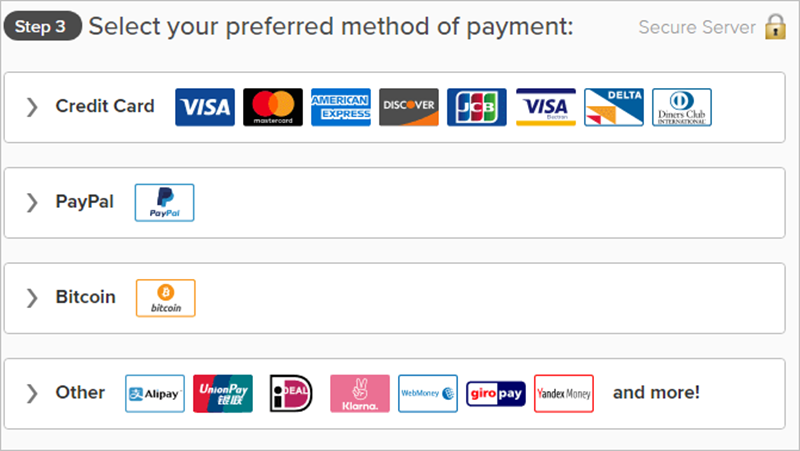
Source: ExpressVPN
- Proton VPN, ExpressVPN and Mullvad accept Bitcoin—popular picks if you want privacy-first subscriptions.
- Namecheap (again) for domains/hosting.
Real-World Examples
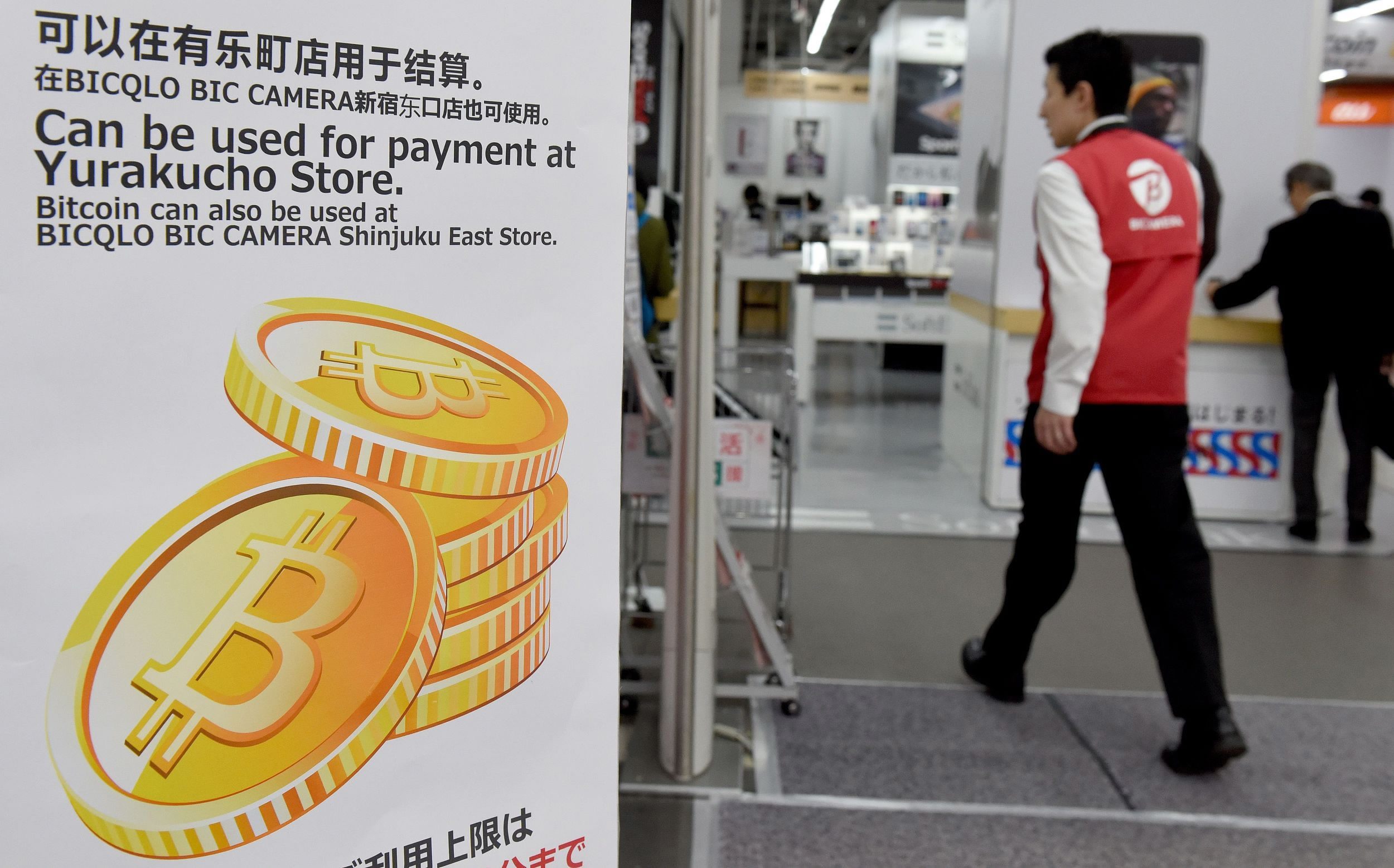
Source: Youtube
Companies accepting Bitcoin
- AT&T (U.S.) – the carrier lists BitPay as an in-app/online payment method for signed-in wireless customers. That’s a top-tier example when people ask who accepts cryptocurrency as payment in the U.S.
- Ferrari (selected markets) – the automaker expanded crypto payments in parts of Europe in 2024 via a processor, a notable luxury-retail case.
Local businesses
From Swiss corner stores to U.S. cafés, BTC Map is a handy way to find places that accept crypto near you—useful when you need to know what stores accept cryptocurrency on short notice.
How to Make a Payment in BTC
Wallet requirements
Any modern Bitcoin wallet works for on-chain invoices; for Lightning invoices, use a Lightning-enabled wallet (or a processor’s app). Merchants using OpenNode or BTCPay Server will often display both options.
Payment gateways and QR codes
At checkout, most retailers who accept cryptocurrency show a QR code and timer. Scan it with your wallet, confirm the amount, and send. If the merchant uses BitPay or Coinbase Commerce, they’ll typically auto-convert to fiat on their end so Bitcoin’s price volatility doesn’t touch them.
Tips for Safe Spending
Avoid scams!
- Don’t paste seed phrases into “payment” websites.
- Confirm the URL of any hosted checkout (BitPay, Coinbase Commerce, BTCPay).
- If an online shop feels off, use a gift-card intermediary (e.g., Bitrefill) instead of paying direct.
Choosing reputable merchants
Prefer brands with clear, current support pages (Newegg, AT&T) or known processors at checkout. If you’re unsure who takes bitcoin, check a processor’s merchant directory (e.g., BitPay’s Newegg page).
Tax note (U.S.): buying with BTC is a disposal event—track cost basis and report per IRS rules. Similar principles apply in many countries.
Alternatives If Direct Payment Isn’t Possible
Crypto cards
- BitPay Card (U.S.) – load crypto, spend as dollars on a Visa card.
- Wirex (EEA/UK) – established crypto card program with in-app exchange.
- Crypto.com Visa Card – widely available, converts at point of sale. These cards answer who takes cryptocurrency indirectly by converting to fiat at swipe.
Gift card platforms
When stores that accept crypto are limited, buy a retailer’s gift card with BTC and pay normally. Bitrefill covers thousands of brands globally.
The 2025 Shortlist: Who Accepts Cryptocurrency Right Now?
- Electronics: Newegg (BitPay).
- Mobile service: AT&T (BitPay).
- Travel: Travala, CheapAir, airBaltic.
- VPN: Proton VPN, Mullvad.
- Local merchants: find cafés, restaurants, and boutiques via BTC Map.
That list isn’t exhaustive; it’s a dependable starting point from companies that accept cryptocurrency today. If you’re hunting for retailers who accept cryptocurrency in your city, map + processor directories are your best tools.
Conclusion
In 2025, the answer to who accepts bitcoin is no longer “just a few tech shops.” We have household-name brands(AT&T), major e-commerce (Newegg), full-stack travel (Travala, CheapAir, airBaltic), privacy services (Proton, Mullvad) and city-level programs (Lugano) proving real-world spend is here. For everything else, crypto cards and gift-card platforms bridge the gaps at places that accept crypto indirectly.
If you’re new to it, start with a Lightning-capable wallet, stick to reputable gateways (BitPay, Coinbase Commerce, BTCPay, OpenNode), and keep taxes in mind. Whether you’re looking for stores that accept crypto, the playbook is the same: verify the merchant, scan the QR, and enjoy paying with your money on internet time.
Disclaimer: The material in this article is not financial or investment advice. Everything stated here reflects the author's personal view and should not be treated as a recommendation to trade or invest. We make no warranties regarding the accuracy, reliability or completeness of the information presented. Cryptocurrency markets are highly volatile and can move unpredictably. Before committing any funds, every investor, trader or crypto user should study several independent sources and check the regulations that apply in their own jurisdiction.