
Crypto payroll shakes up how firms dish out pay, letting salaries flow in stablecoins like USDT or DAI instead of old-school bank transfers. In the swing of 2025, as digital money catches on fast amid shaky economies, companies eye this for quicker, cheaper global sends. Crypto payroll means wiring wages straight to worker wallets, skipping middle banks and cutting tabs. For outfits with far-flung teams, it’s a win — pay in stablecoins pegged to dollars, dodging wild swings. This setup grows hot, with reports showing a triple jump in crypto salaries last year, mostly in stables. We’ll dig into how it rolls with USDT and DAI, perks, legal bits, and tips for smooth runs.
Why Firms Switch to Crypto Pay?
Ditching fiat for crypto salary brings perks for bosses and staff. Companies slash costs — traditional wires hit 5-10% in fees for cross-border, while stables like USDT clock under 1%. Speed jumps too: Pays hit wallets in minutes, not days. For remote crews, this means instant access without waits or exchange hassles.
Workers dig it for privacy and control — no bank eyes on spends, and stables hold value better in high-inflation spots. Crypto as a valid salary payment? Yeah, in places like the US or EU, it’s legal if taxed right. Plus, earning in DAI lets you stake for 4-8% yields, beating bank pots. Drawbacks? Volatility if peg slips, though majors like USDT hold firm. Taxes need tracking, as gains from holds count. In 2025, tools like Bitwage or Rise make setup easy, blending fiat and crypto for hybrid pays.
Rolling Out Payroll in USDT or DAI
Payroll crypto with USDT or DAI follows straightforward paths. First, firms load wallets with stables via buys or transfers. Then, batch pays to employee addresses — platforms like Request Finance handle bulk sends in one go. USDT, on chains like Tron or Ethereum, zips cheap; DAI, multi-chain, adds DeFi ties for yields.

How it ticks: Bosses tally wages in fiat, convert to stable amounts, and dispatch. Workers get instant alerts, then spend or hold. For swaps during payroll tweaks, Quickex shines with crypto-to-crypto without KYC, letting fast shifts between coins privately. In 2025, auto-tools on OxaPay or Velocity Global sync with HR software, figuring taxes and compliance on the fly. Pick based on chain — Tron for low gas on USDT, Ethereum for DAI’s DeFi links.
Legal Angles for Crypto Wages
Cryptocurrency salary stays above board in most spots, but rules vary. In the US, IRS sees it as taxable income at fair value on pay day — workers report as wages, firms withhold if needed. EU treats similar, with VAT skips on stable sends but gains taxed on cashes.
Salary in crypto demands clear contracts — spell out stablecoin types and value ties to dodge disputes. Labor laws apply: Ensure pays meet mins, and offer opt-outs for fiat lovers. In shaky zones, stables hedge local cash drops, but check bans — some like China nix crypto. 2025 sees more nods, with outfits like Stripe adding stable payroll for e-comm crews. Consult locals for compliance — tools like Rise auto-file forms.
Leading Platforms for Crypto Pays
Picking the right tool smooths rolls. This table lines up top ones for 2025, based on ease, costs, and fits.
| Platform | Key Perks | Fees | Coins Backed | Compliance Tools | Best For |
| Bitwage | Global pays, hybrid options | 1-3% | USDT, USDC, DAI | Tax reports, multi-currency | Remote teams |
| Rise | Auto conversions, payroll sync | Variable | USDT, DAI, others | Built-in tracking | Small biz |
| Request Finance | Batch sends, invoices | Low | USDT, DAI | Legal templates | Freelancers |
| OxaPay | Instant, low gas | 0.5-1% | USDT, stable mix | API for HR | Growing firms |
| Velocity Global | Compliance focus, insurance | 2-4% | USDT, USDC | Full legal aid | International |
| BVNK | Fast borders, yields | 1% | Stables | Reg checks | Startups |
| Stripe (Crypto) | E-comm ties, auto | 1.5% | USDT, USDC | Payment flows | Online shops |
Bitwage tops for versatility, handling usdt salary with ease.
Steps to Launch Crypto Payroll
Salary crypto setup follows clear tracks. Start by picking a platform like Bitwage — sign up, link bank for conversions.
- Chat workers: Get okays, share wallet how-tos.
- Set amounts: Tally in fiat, convert to stable at pay time.
- Batch pays: Use tools for group sends, add memos.
- Track taxes: Log values, share slips for filings.
- Review often: Check feedback, tweak for costs.
- Backup plans: Offer fiat outs if stables dip.
- Stay legal: Update on rules, consult pros yearly.
These keep things smooth, cutting admin time by half.
Dangers and Fixes in Crypto Pays
Crypto salary risks include peg slips — USDT dipped once, but rebounds quick. Chain jams spike fees, so pick low-cost like Tron. Worker wallet hacks loom, so push education on seeds.
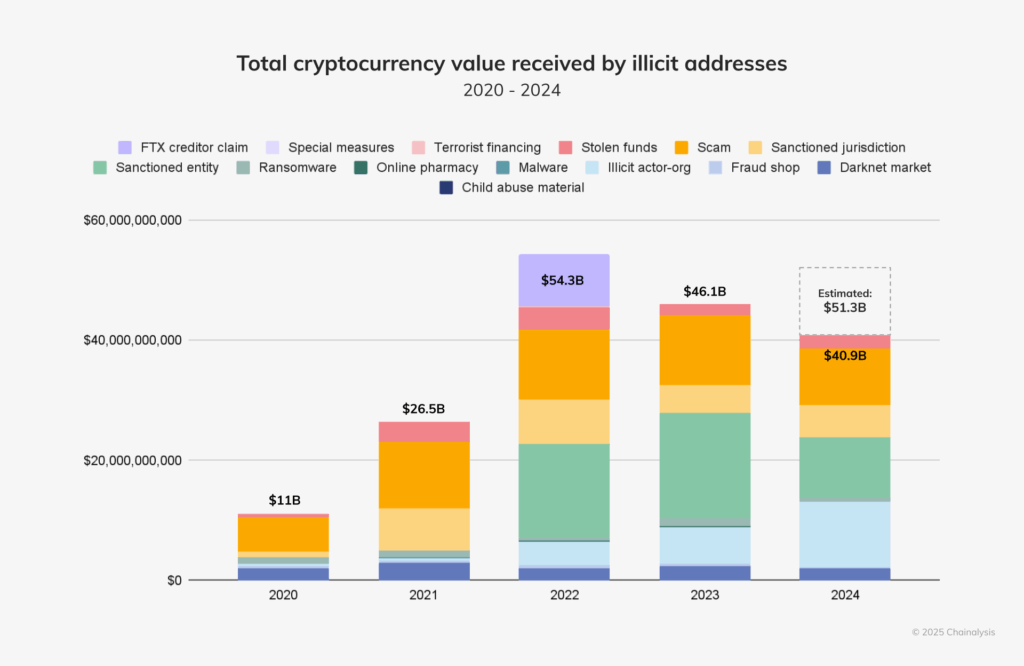
Fixes: Use escrows for pays, insure via platforms. Diversify stables — mix USDT and DAI for spreads. In 2025, AI monitors for odd moves, flagging fraud. Legal shields in contracts cover vol hits. Overall, perks outweigh if handled right.
Conclusion
Crypto payroll surges, with 9% of pros taking stables in 2025, up triple from last year. CBDCs might blend, but stables lead for now. Firms like Stripe push seamless, drawing more adopters. Challenges like regs loom, but tools evolve for compliance. Future sees hybrid pays standard, fueling global work.
Crypto payroll with USDT/DAI flips old ways, offering speed and savings for scattered teams. From setup steps to platform picks, it’s reachable with care. As 2025 unfolds, embrace for edge, but mind rules and risks — done right, it unlocks fresh work flows.
Disclaimer: The material in this article is not financial or investment advice. Everything stated here reflects the author's personal view and should not be treated as a recommendation to trade or invest. We make no warranties regarding the accuracy, reliability or completeness of the information presented. Cryptocurrency markets are highly volatile and can move unpredictably. Before committing any funds, every investor, trader or crypto user should study several independent sources and check the regulations that apply in their own jurisdiction.