
The best Litecoin wallet depends on your priorities: Ledger and Trezor lead for hardware security, Exodus and Cake Wallet for beginner-friendly mobile use, and Electrum-LTC or Litecoin Core for advanced self-custody. Litecoin holds a $3.5 billion market cap in mid-2026. Look for MWEB privacy support and confirm SegWit compatibility before choosing.
What Makes a Good Litecoin Wallet?
A good Litecoin wallet combines strong private-key security, support for current Litecoin standards like SegWit and MWEB, and an interface that matches how often you plan to move funds. There is no single best option for everyone, since a wallet built for long-term storage looks very different from one built for frequent spending.
Litecoin wallets fall into two broad categories. Hot wallets stay connected to the internet, covering mobile apps, desktop software, and browser extensions, and prioritize convenience for regular transactions. Cold wallets, mainly hardware devices, keep private keys offline and are built for holders who want maximum protection against remote hacking, at the cost of some day-to-day convenience.
Litecoin (LTC) itself remains one of the older, more established cryptocurrencies, trading around $45 with a market capitalization near $3.5 billion and a circulating supply of roughly 77.5 million coins against an 84 million maximum supply as of mid-2026. That scarcity and long track record are part of why LTC still attracts dedicated wallet support across nearly every major provider.
What Are the Best Hardware Wallets for Litecoin?
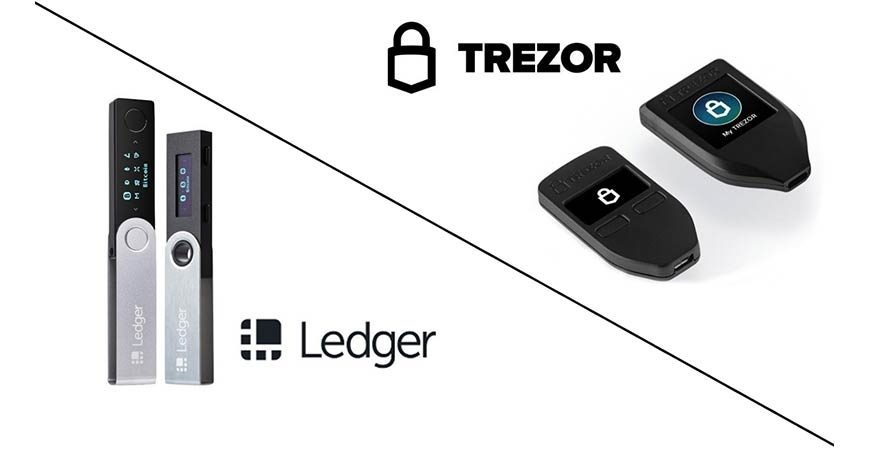
Ledger and Trezor are the two most widely recommended hardware wallets for Litecoin, both storing private keys on an offline secure element or open-source chip that never touches an internet-connected device during a transaction. Both companies have supported LTC since early in their product lines and integrate with third-party software wallets for a full send-and-receive experience.
Ledger devices use a certified secure element chip and pair with the Ledger Live app, which supports Litecoin alongside thousands of other assets, buying, staking, and swaps. Trezor takes a fully open-source approach to its firmware and hardware design, which appeals to holders who want every component of their device to be independently auditable rather than relying on a closed, certified chip.
For most holders who want to store meaningful LTC balances long-term, a hardware wallet is worth the upfront cost. A widely cited rule of thumb among LTC holders is to keep the bulk of long-term holdings in cold storage and only a small working balance in a hot wallet for regular use.
What Is the Best Mobile Wallet for Litecoin?
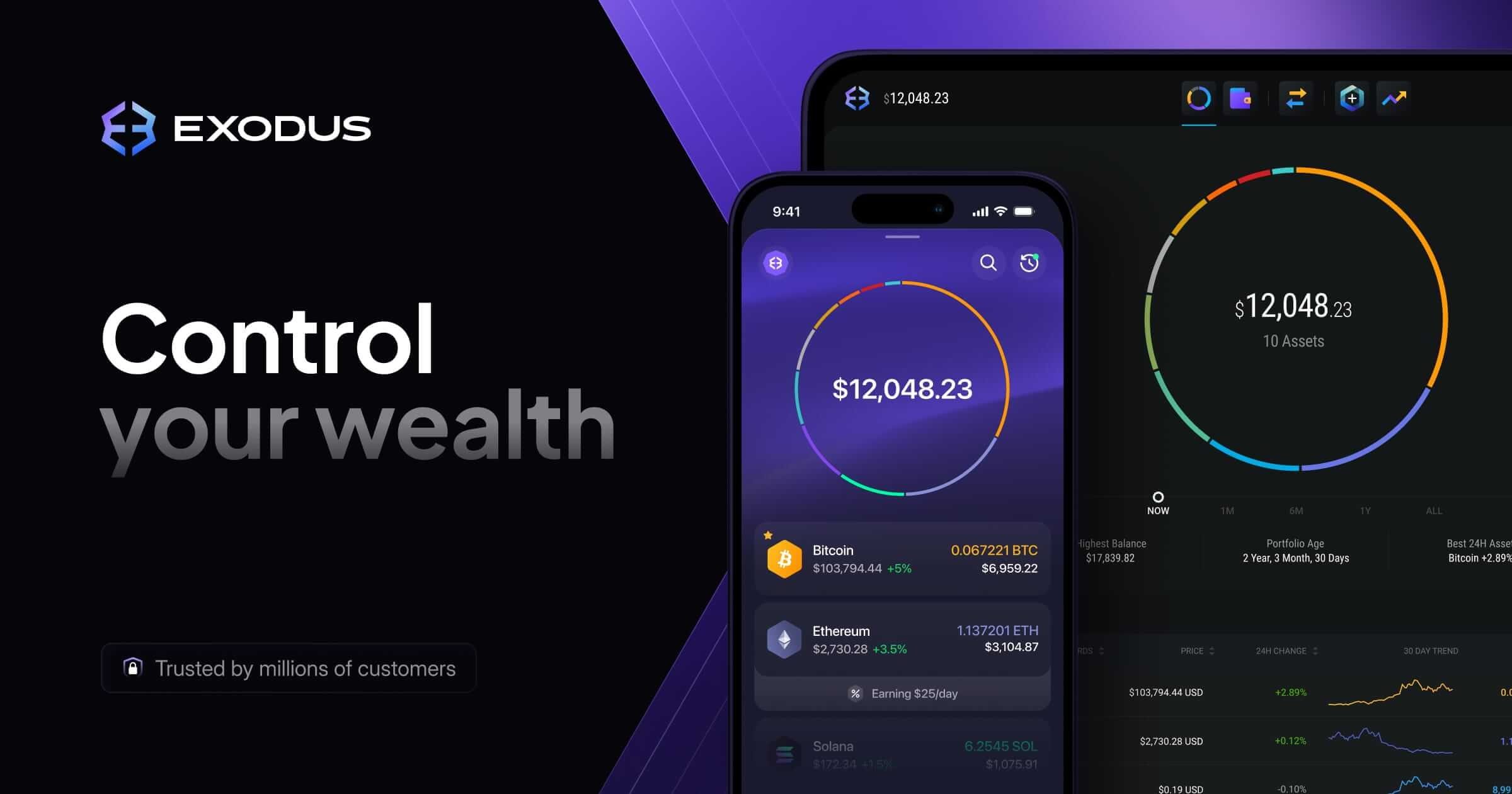
Source: Exodus
Exodus and Cake Wallet are the two strongest mobile options for most Litecoin users: Exodus for a polished, beginner-friendly multi-asset experience, and Cake Wallet for built-in MWEB privacy support alongside Tor connectivity.
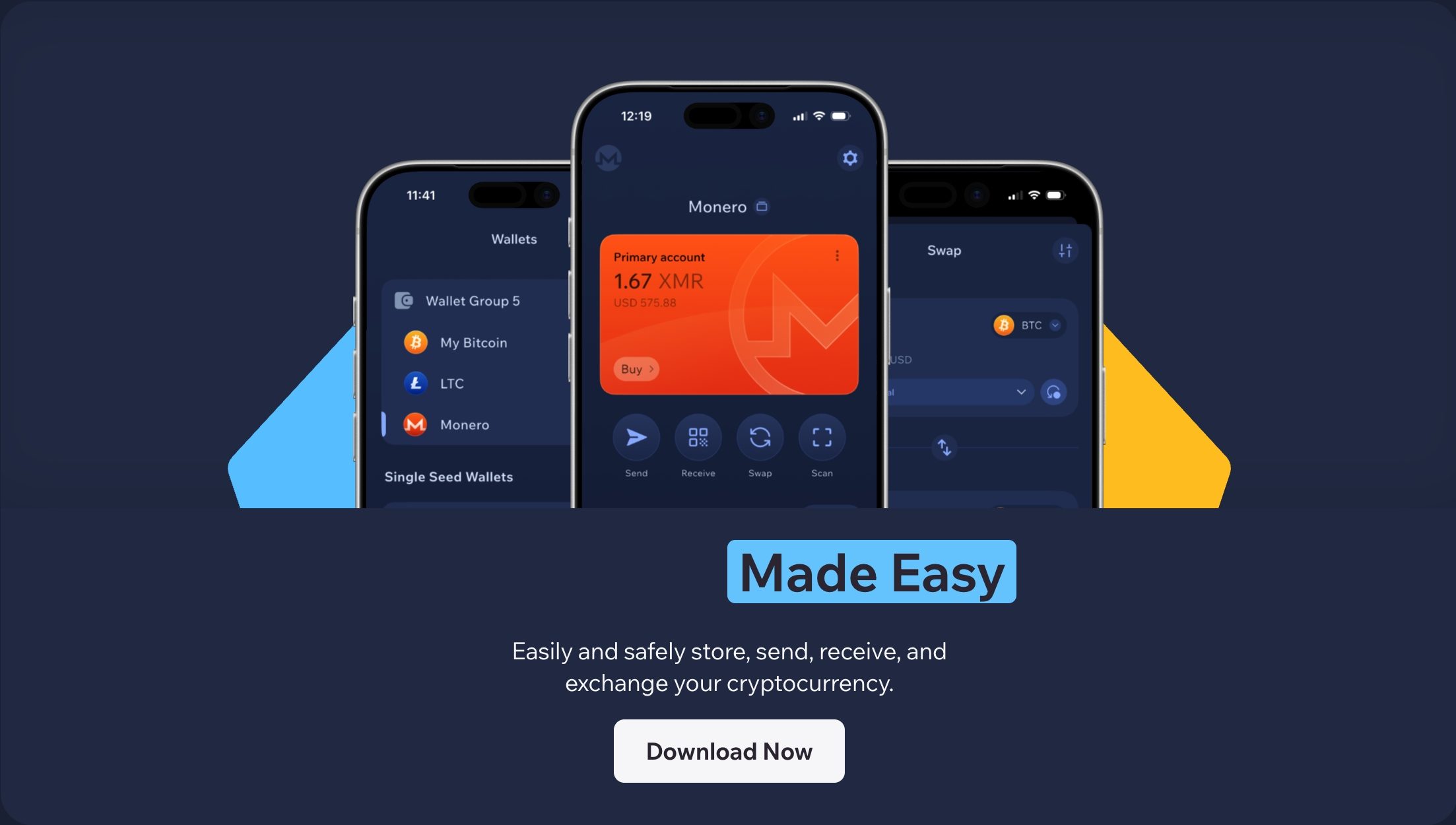
Source: Cake Wallet
Exodus is a non-custodial software wallet available on mobile, desktop, and browser, supporting Litecoin along with 50-plus other blockchains, and includes a built-in exchange for swapping between assets without leaving the app. Its interface is one of the more approachable options for people new to self-custody, though its core software isn’t independently auditable and it pairs best with a hardware wallet for larger balances rather than as standalone cold storage.
Litewallet, the Litecoin Foundation’s own official mobile app, takes a narrower, LTC-only approach built specifically for fast, simple payments rather than multi-asset portfolio management. Cake Wallet stands out specifically for privacy-conscious users: it offers full MWEB support paired with Tor connectivity, letting users route both their network traffic and their on-chain transaction amounts through privacy-preserving paths.
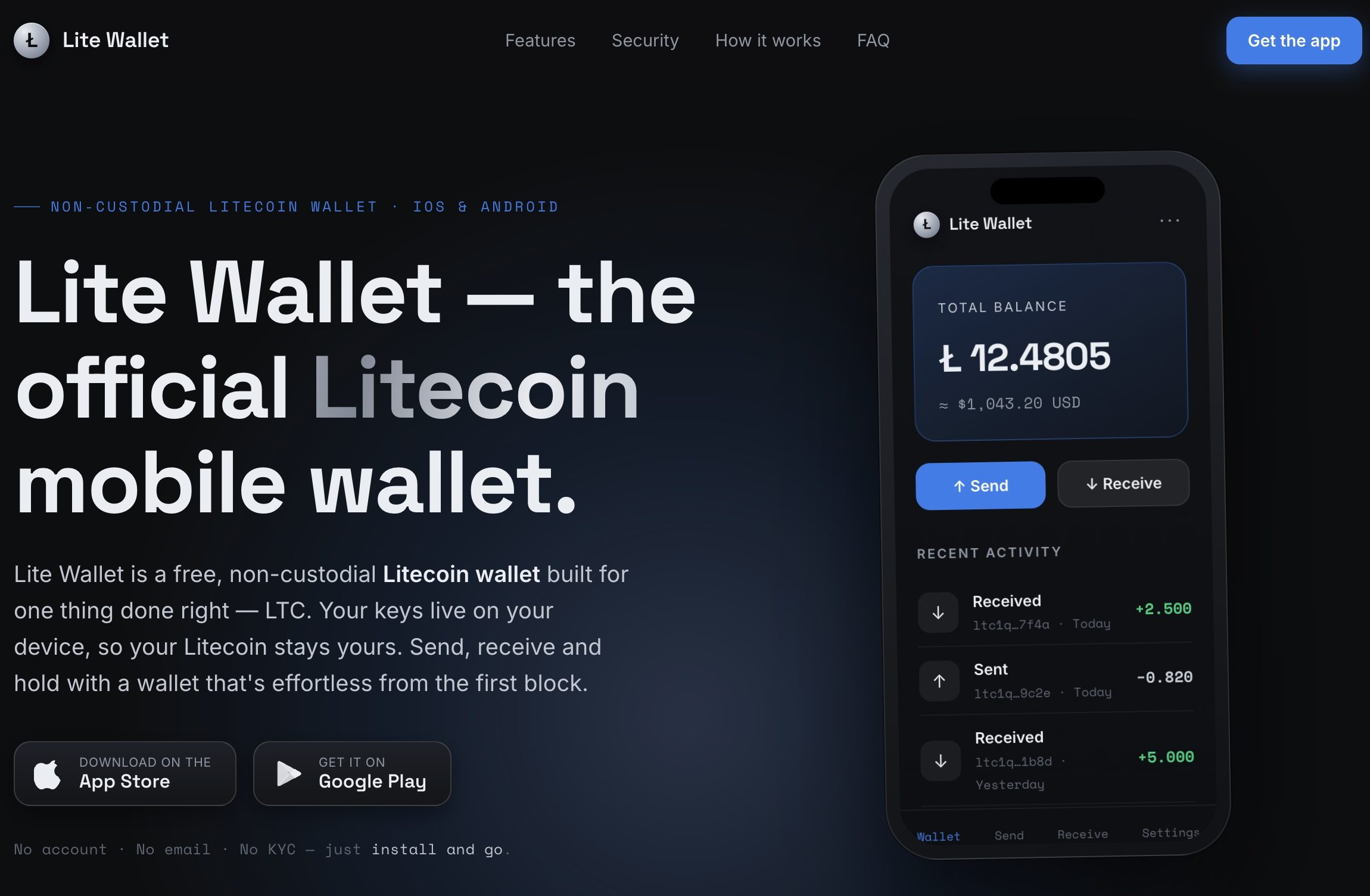
Source: Litewallet
What Is the Best Desktop or Advanced Litecoin Wallet?
Source: Electrum LTC
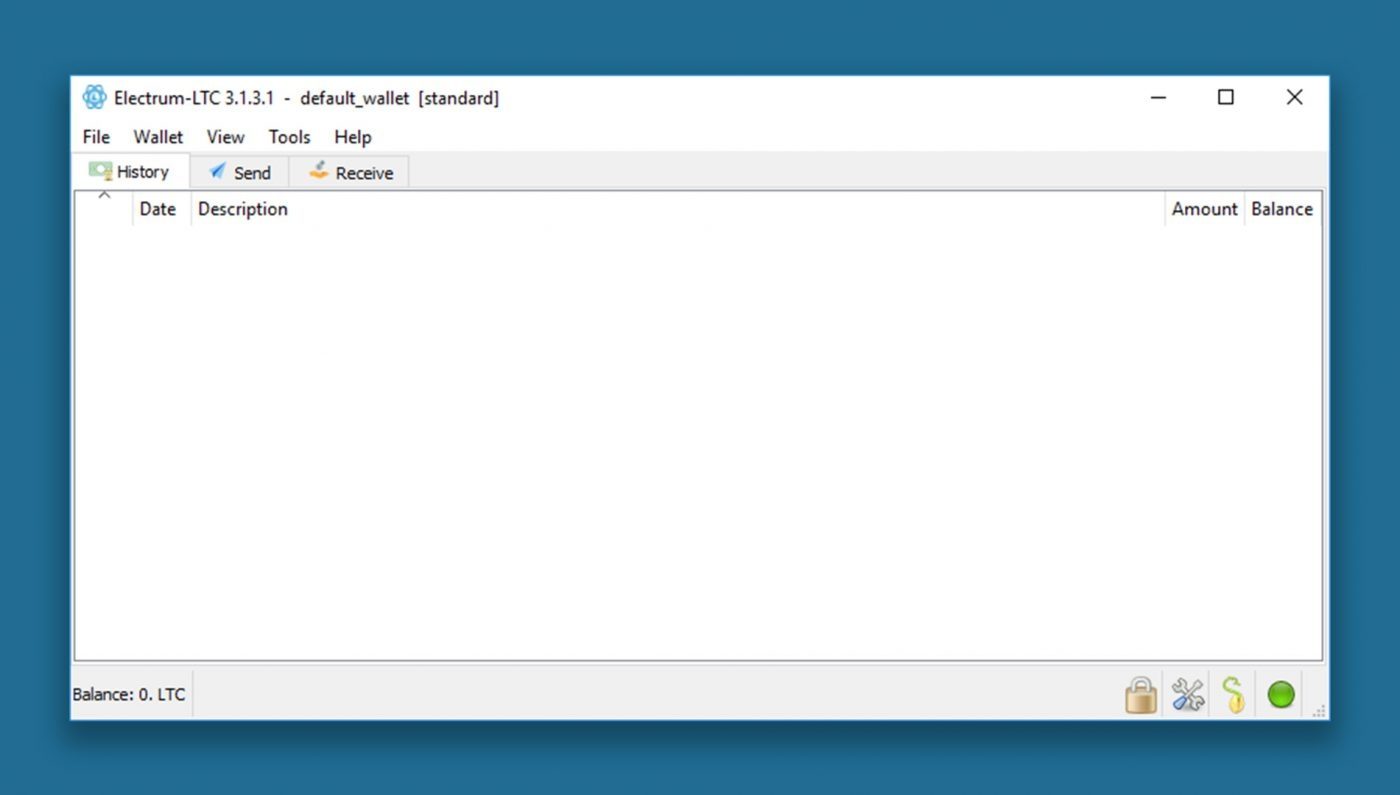
Electrum-LTC and Litecoin Core are the top choices for technically confident users who want more direct control over their Litecoin. Electrum-LTC is the Litecoin-specific port of the well-known Electrum Bitcoin wallet, connecting to Electrum servers rather than downloading the full blockchain, which keeps setup fast while retaining advanced features like custom transaction fees, hardware wallet integration, and multi-signature support.
Litecoin Core, by contrast, is the official full-node wallet distributed directly from the Litecoin project. Running it means downloading and independently verifying the entire Litecoin blockchain, giving the strongest possible trust guarantees since you’re not relying on any third-party server to tell you your balance is correct. The tradeoff is disk space, bandwidth, and setup time, which makes Litecoin Core better suited to holders who value sovereignty over convenience.
Which Litecoin Wallets Support MWEB Privacy?
Cake Wallet and Litecoin Core both support MWEB, Litecoin’s optional privacy feature that hides transaction amounts using MimbleWimble Extension Blocks. MWEB activated on the Litecoin network on May 19, 2022, and by 2025 had over 150,000 LTC locked into confidential MWEB transactions, according to privacy-focused blockchain analysis.
MWEB works by routing transactions through an extension block that runs parallel to Litecoin’s main chain, hiding the transferred amount from public view while the network still verifies that no coins were created or destroyed. It’s entirely opt-in: users can choose standard, fully transparent transactions or MWEB’s confidential mode on a transaction-by-transaction basis, which keeps Litecoin compatible with exchanges and compliance requirements while still offering privacy to anyone who wants it.
Not every wallet supports MWEB yet, so if privacy is a priority, confirm MWEB compatibility before choosing a wallet rather than assuming every LTC-supporting app includes it.
Where Can You Buy or Exchange Litecoin?
You can buy Litecoin through mainstream exchanges that require identity verification, or through no-KYC swap services that let you convert directly from one cryptocurrency to another without an account, for example: ETH to USDT. Which route makes sense depends on whether you’re buying LTC with fiat currency for the first time or already hold crypto and simply want to convert it into Litecoin.
Quickex is one example of the no-KYC swap category. It lets users exchange over 100 cryptocurrencies, including converting BTC, ETH, USDT, or SOL directly into LTC, without creating an account or completing identity verification, unless a transaction gets flagged by its risk-review system. Users choose between a fixed rate, which locks in the exact LTC amount before sending funds, or a floating rate that follows the live market and carries a lower fee. Quickex charges 1% on fixed-rate swaps and 0.5% on floating-rate swaps, plus the underlying network fee, and most conversions into LTC complete within 5 to 10 minutes once the incoming payment is confirmed.
Whichever route you use to acquire LTC, always send it to a wallet address you control rather than leaving a large balance sitting on an exchange or swap platform, since neither type of service is designed to function as long-term storage.
How Do You Choose a Litecoin Wallet for Your Use Case?
Choose based on how you plan to use LTC, not just which wallet has the longest feature list. Long-term holders with meaningful balances benefit most from a hardware wallet like Ledger or Trezor. Frequent spenders or people new to Litecoin generally do better starting with a mobile app like Exodus or Litewallet.
If you use Litecoin for online gambling or fast, frequent payments, prioritize a mobile hot wallet with low fees and quick transaction confirmation over a hardware device that adds friction to every transaction. If you’re actively researching how to invest in Litecoin as a longer-term holding, pairing a hardware wallet for storage with a hot wallet for occasional trading covers both security and flexibility without over-complicating the setup.
Anyone weighing whether to buy LTC for the first time should also factor in where they plan to buy litecoins. Most exchanges let you withdraw directly to any of the wallets covered here, so the wallet choice and the exchange choice can be made independently of each other.
How Do You Keep a Litecoin Wallet Secure?
The core security rule for any Litecoin wallet is the same regardless of type: never share your seed phrase with anyone, and never enter it into a website or app other than the wallet software itself. Anyone who obtains your seed phrase has full, irreversible access to your funds, and no legitimate support team will ever ask for it.
Beyond seed phrase security, verify software downloads only from official sources, since fake wallet apps and cloned websites are a common attack vector in crypto generally. For hardware wallets, always verify the device’s firmware and confirm transaction details directly on the device screen rather than trusting what’s shown on a connected computer, since malware on the computer could display a different, tampered address.
Frequently Asked Questions
What is the safest Litecoin wallet?
Hardware wallets like Ledger and Trezor are the safest option because they keep private keys offline at all times.
Both devices sign transactions internally without ever exposing the private key to an internet-connected computer or phone, which removes remote hacking as a realistic attack vector. The main risk with hardware wallets shifts to physical security and seed phrase backup, so storing your recovery phrase safely offline matters just as much as the device itself.
Is Litecoin Core a good wallet for beginners?
No, Litecoin Core is better suited to technically confident users, not beginners.
Litecoin Core requires downloading and syncing the entire Litecoin blockchain, which takes significant disk space, bandwidth, and setup time compared to a lightweight mobile or hardware wallet. It offers the strongest trust guarantees since it doesn’t rely on any third-party server, but that benefit mainly matters to holders who specifically want full node-level verification.
Can I use one wallet for both Litecoin and Bitcoin?
Yes, most multi-asset wallets like Exodus, Ledger, and Trezor support both Litecoin and Bitcoin alongside many other cryptocurrencies.
Multi-asset wallets manage separate private keys and addresses per blockchain internally, so holding LTC and BTC in the same wallet app doesn’t mix or compromise either asset’s security. If you specifically want an LTC-only, purpose-built experience, Litewallet or Electrum-LTC are narrower alternatives that skip multi-asset support entirely.
Do I need MWEB support in my Litecoin wallet?
Only if transaction privacy matters to you, since MWEB is an optional feature rather than a requirement for basic Litecoin use.
Standard, non-MWEB Litecoin transactions work fine for most everyday use cases and are supported by every wallet covered here. If you specifically want to hide transaction amounts from public blockchain explorers, choose a wallet like Cake Wallet or Litecoin Core that explicitly supports MWEB, since not all Litecoin wallets have added this feature.
How much does a Litecoin hardware wallet cost?
Litecoin-compatible hardware wallets from Ledger and Trezor typically range from around $60 to $250 depending on the model.
Entry-level models cover the core function of offline key storage and transaction signing, while higher-priced models add features like larger screens, Bluetooth connectivity, or expanded storage for more accounts. For most holders, an entry-level hardware wallet provides the same core security benefit as a premium model, since the underlying offline-signing principle doesn’t change between tiers.
Can I recover my Litecoin if I lose my wallet or device?
Yes, as long as you have your seed phrase, you can restore your Litecoin on any compatible wallet.
The seed phrase, typically 12 or 24 words generated when you first set up the wallet, is what actually controls your funds; the device or app is just an interface to access them. Losing a phone, hardware device, or laptop doesn’t mean losing your LTC, but losing the seed phrase without a working device generally does, which is why backing it up correctly from day one is critical.
Disclaimer: The material in this article is not financial or investment advice. Everything stated here reflects the author's personal view and should not be treated as a recommendation to trade or invest. We make no warranties regarding the accuracy, reliability or completeness of the information presented. Cryptocurrency markets are highly volatile and can move unpredictably. Before committing any funds, every investor, trader or crypto user should study several independent sources and check the regulations that apply in their own jurisdiction.