
If you are looking to buy Bitcoin no kyc, you probably already realize that surrendering your passport, facial scans, and physical home address to an offshore corporate entity is a massive security risk. Whether you are guarding yourself against data breaches, aggressive taxation tracking, or arbitrary account freezes, taking control of your privacy is no longer optional. It’s a necessity.
In this comprehensive guide, we will break down the safest, most resilient ways to acquire Bitcoin anonymously in the heavily monitored landscape of 2026.
The State of Bitcoin Privacy in 2026
Let’s face it: the original promise of cryptocurrency was financial sovereignty. You were supposed to be your own bank, free from the prying eyes of legacy institutions. Fast forward to today, and most major centralized exchanges demand more personal information than a mortgage lender just to let you buy a fraction of a digital coin.
Before we dive into the platforms, here is a quick summary of the best tools available for sovereign buyers right now:
| Platform | Best For | Verification Level | Privacy Tech |
| Quickex.io | Fast, instant crypto swaps | None | Non-custodial |
| Bisq | Desktop decentralized trading | None | Tor network |
| RoboSats | Fast, low-fee micro-trades | None | Lightning Network |
Why the “No-KYC” Window is Closing
The regulatory net is getting incredibly tight. With the aggressive implementation of the 2026 FATF Travel Rule updates globally, centralized exchanges are now legally forced to share the personal identities of both the sender and the receiver for nearly every transaction. The days of simply creating a dummy account with a fake email to buy BTC no kyc are over. Regulators are actively treating privacy as a red flag, making alternative acquisition methods highly vital for anyone who values their digital footprint.
Privacy vs. Anonymity: Understanding the Bitcoin Transparency
Here is a hard truth many beginners miss: Bitcoin is not inherently anonymous. It is pseudonymous. The blockchain is a completely public, highly transparent ledger. Anyone with an internet connection can see every transaction you ever make. If you buy coins on a regulated exchange, that exchange links your real-world identity to your public wallet address. From that moment on, every cup of coffee you buy with Bitcoin is permanently tied to your name. By choosing to buy Bitcoin without verification, you break that initial link, preserving your anonymity on the public ledger.
The Risks of “Stealth KYC”
This is arguably the most dangerous trend in 2026. Many shady exchanges advertise that you can buy Bitcoin no verification, allowing you to create an account and deposit your funds freely. But the trap snaps shut when you try to withdraw. Suddenly, the platform flags your account for “security reasons” and demands a full KYC compliance check, including passport photos and proof of wealth before letting your funds go. This “Stealth KYC” tactic is essentially a hostage situation. Avoiding these honeypots requires using strictly non-custodial platforms where the exchange never actually holds your private keys.
Top 5 Methods to Buy Bitcoin Anonymously Today
While the walls are closing in, human ingenuity always finds a way. Here are the top five proven methods to stay off the radar.
Method 1: Decentralized P2P Marketplaces
Source: Bisq
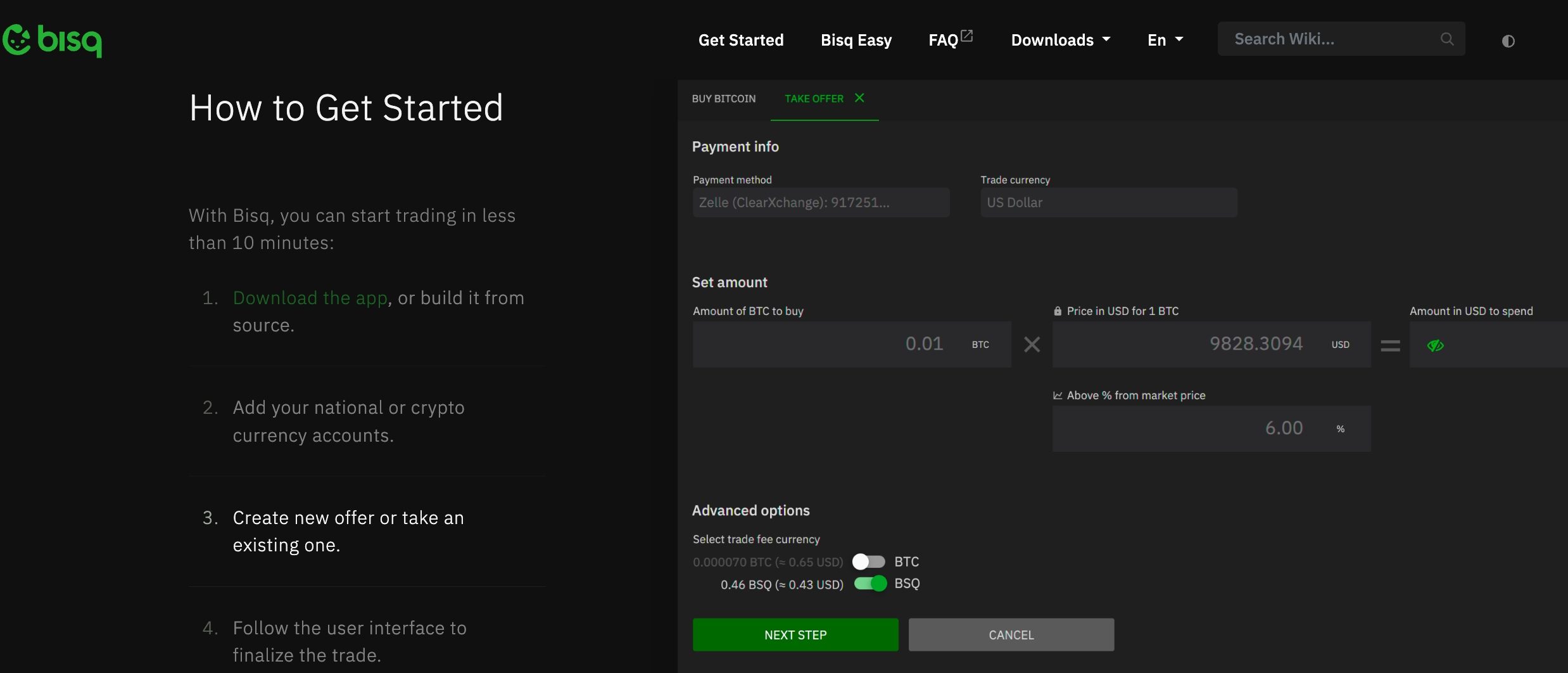
Peer-to-peer (P2P) trading means you are buying directly from another human being. Decentralized platforms like Bisq completely remove the middleman, operating over the Tor network. It is arguably the safest way to buy BTC without verification because the platform itself doesn’t have a central server to shut down.
Method 2: Instant No-Registration Swaps
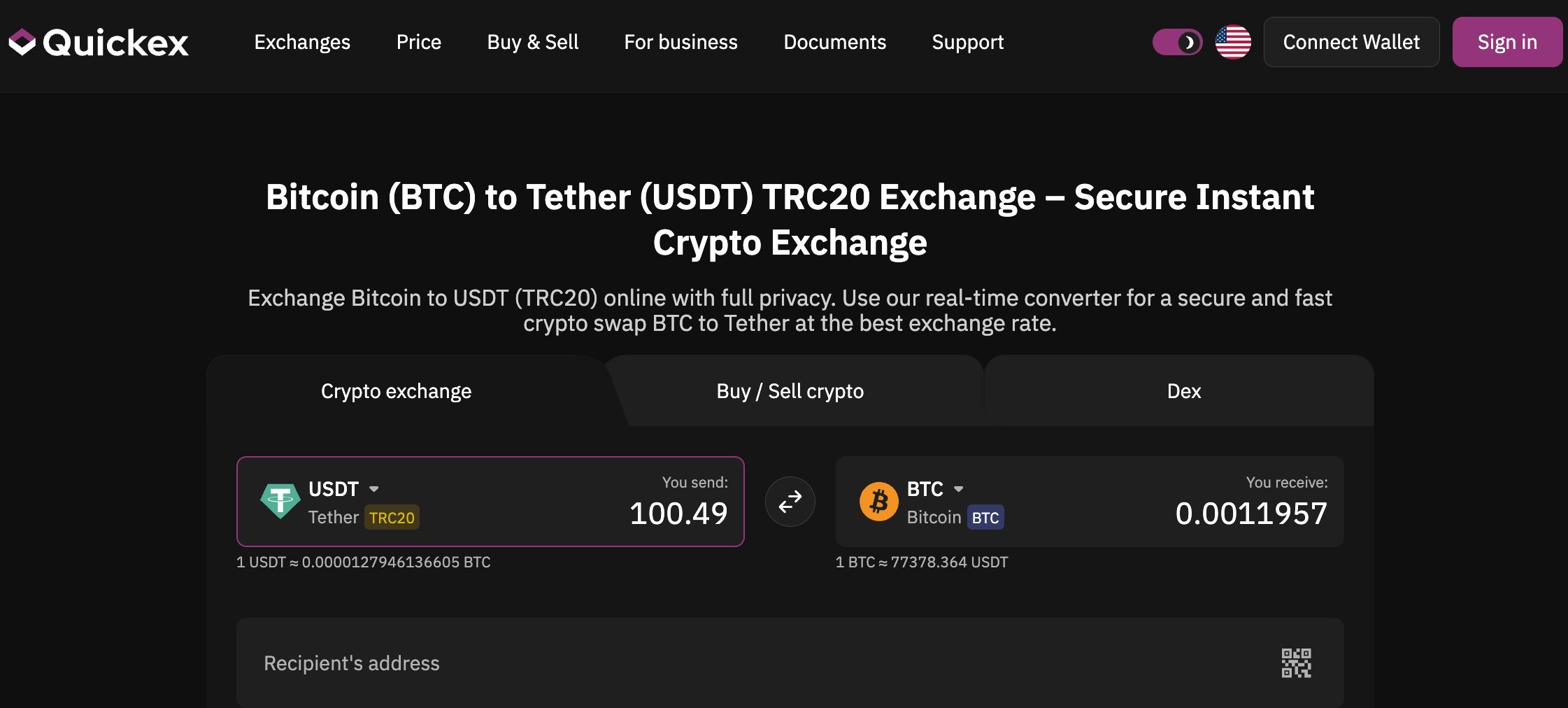
If you already hold a privacy coin or a stablecoin, instant aggregators like Quickex are a massive time-saver. You don’t create an account. You simply send your starting asset to a generated address, and the protocol automatically bounces the equivalent Bitcoin back to your wallet. If you want to buy Bitcoin instantly no verification, this is your best bet.
Method 3: Bitcoin ATMs and Terminals
Source: Binance
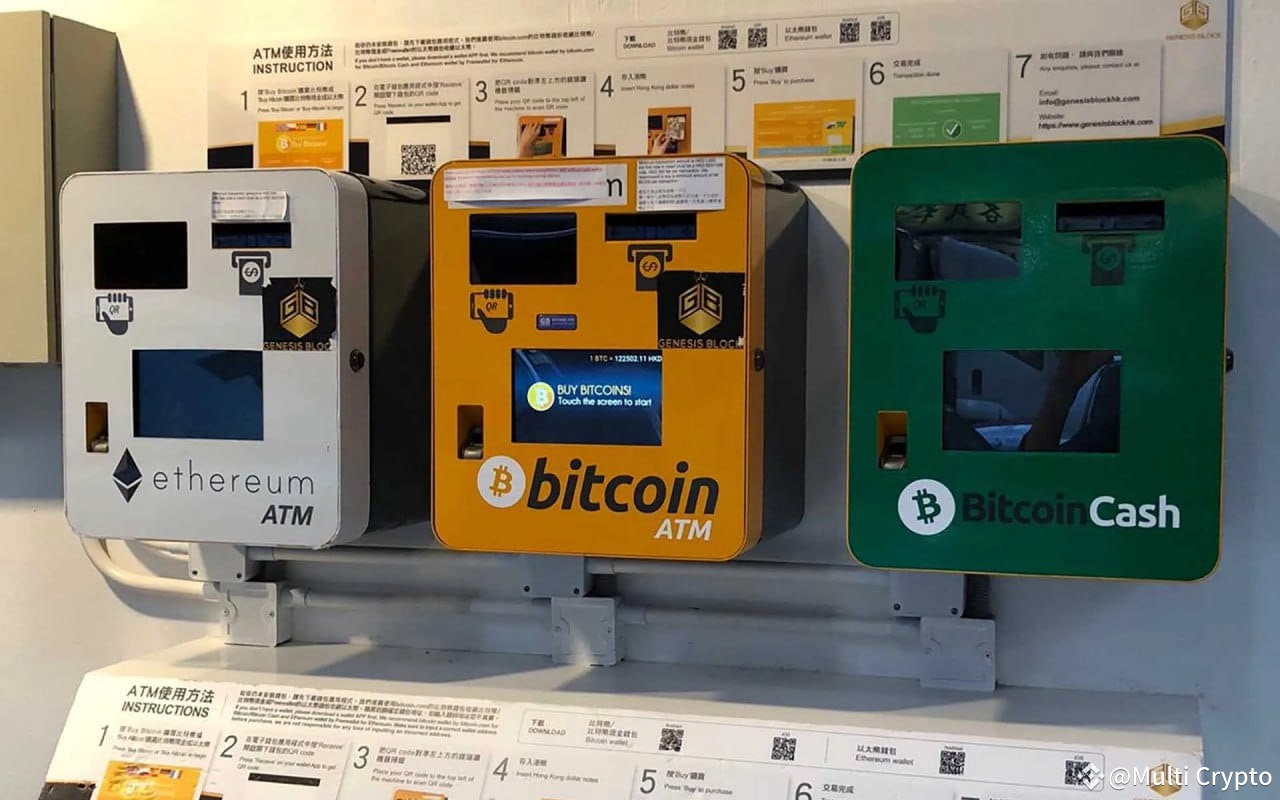
If you walk down the street in most major cities, you’ll spot a Bitcoin ATM. While many now require a phone number or ID scan for large purchases, you can often execute smaller buys using just cold, hard cash. This completely disconnects your bank account from the transaction.
Method 4: Crypto Vouchers and Prepaid Cards
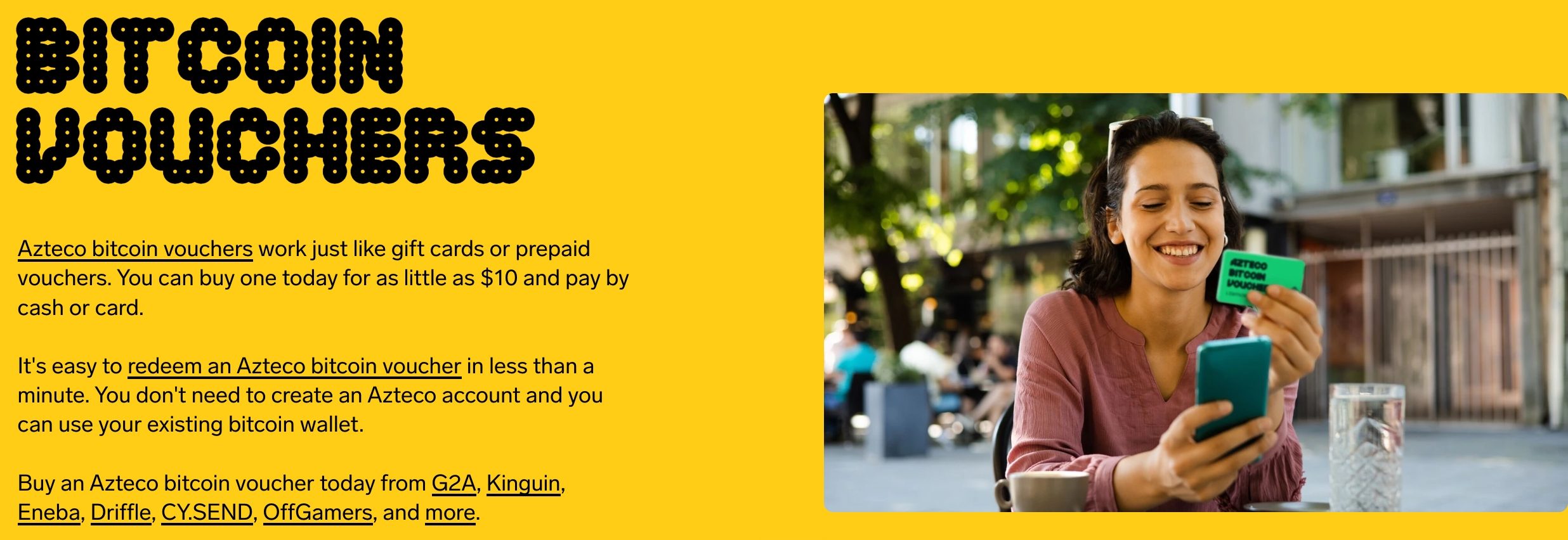
Source: Azteco
Physical retail is a highly underrated privacy tool. Startups like Azteco allow you to buy a voucher at a local convenience store using cash. The voucher gives you a code, which you then redeem online for Bitcoin. Furthermore, using a generalized gift card is a clever workaround if you want to buy Bitcoin with prepaid card no verification.
Method 5: In-Person Cash Trades and Local Meetups
It sounds old school, but meeting someone at a coffee shop and trading physical cash for a digital transfer remains the absolute most untraceable method. Local Bitcoin meetups are thriving again as a direct response to digital surveillance.
P2P Marketplaces: The Gold Anonymity Standard
Let’s dig deeper into the peer-to-peer realm, as this offers the deepest P2P liquidity for privacy seekers.
Bisq
Bisq isn’t a website; it is an application you download and run on your machine. It connects you to other traders via the Tor network. Because fiat currency doesn’t touch the Bisq software, there is no corporate entity for regulators to pressure. You can easily facilitate trades via national bank transfers or postal money orders to buy Bitcoin with bank account no verification.
RoboSats
RoboSats is a fascinating 2026 development. It operates entirely over Tor and utilizes the Lightning Network for incredibly fast, low-fee trades. Because it uses Lightning, it avoids putting your initial trade data on the main public blockchain, adding an incredible layer of obfuscation.
Hodl Hodl
Hodl Hodl operates as a global P2P trading board. The beauty here is its non-custodial nature. When you open a trade, the platform creates a multisig wallet. They do not hold your funds. This eliminates the risk of an exchange suddenly going bankrupt and taking your cash with them.
Safety Protocols: Using Escrow and Reputation Systems
Trading with strangers carries risk. Always rely heavily on escrow protection. In a P2P trade, the seller’s Bitcoin is locked in an escrow smart contract until you send the fiat payment. Once the seller confirms receipt of your fiat, the escrow releases the Bitcoin to you. Stick to sellers with established, high-reputation scores to avoid payment disputes.
Instant Exchanges: Fast Swaps Without an Account
If you don’t want to deal with the friction of negotiating with a P2P seller, instant non-custodial exchanges are the ultimate shortcut.
Quickex.io: Privacy-Focused Aggregator for 2026
Platforms like Quickex act as liquidity aggregators. They search various liquidity pools for the best rates and execute the swap immediately. The entire process takes about five to ten minutes, allowing you to seamlessly buy BTC without id.
How to Swap Monero (XMR) for Bitcoin to Erase Your Trail
This is the ultimate privacy hack used by experts. Instead of buying Bitcoin directly, you buy Monero (XMR), a cryptocurrency that is fundamentally untraceable at the protocol level. You then use an instant exchange or atomic swaps to exchange Monero for Bitcoin, sending the BTC to a brand-new, clean wallet. This “Monero Bridge” completely severs any on-chain link between the fiat you spent and the Bitcoin you now hold.
Avoiding the “High Risk” Flag
Chain analysis firms constantly assign a chain analysis risk score to every wallet address. If your wallet has previously interacted with known darknet markets or sanctioned mixing services, traditional exchanges will ban you instantly. Sourcing your coins through clean P2P platforms or trusted instant swaps ensures your Bitcoin remains highly liquid and unquestioned.
The Technical OpSec Setup: Protecting Your Identity
Knowing where to buy is useless if you don’t secure your digital environment while you buy. Good Operational Security (OpSec) is mandatory.
Using VPNs and Tor: Hiding Your IP Address
Your IP address is basically your digital home address. If you connect to an exchange from your home Wi-Fi, your internet service provider (and any snooping data firm) knows exactly what you are doing. Always use a strict no-logs VPN (like Mullvad) or the Tor browser before attempting to buy Bitcoin without id.
Using Non-Custodial Wallets
If you successfully execute an anonymous purchase, never send those funds to an exchange wallet like Coinbase or Kraken. That defeats the entire purpose! You must generate a non-custodial wallet, like Electrum or a hardware device like a Trezor, where you exclusively control the seed phrase.
Using Disposable Emails and Burner Phone Numbers
If an instant exchange or a P2P board requires an email to send you a receipt, use a disposable service like ProtonMail or a temporary alias. Never use the same Gmail account that is tied to your banking apps or social media.
Tax Compliance and Regulatory Realities in 2026
Privacy does not mean you are exempt from the law. It is crucial to understand the line between personal privacy and tax evasion.
Is Buying BTC Without KYC Illegal?
Let’s be clear: in almost every democratic nation, it is perfectly legal to buy and hold cryptocurrency privately. The act of using a non-KYC service is not a crime. However, intentionally hiding capital gains to evade taxation is illegal. You can maintain your data privacy while still legally reporting your profits to your local tax authority.
Understanding MiCA and FATF Guidelines
The European Union’s Markets in Crypto-Assets (MiCA) regulation has fundamentally changed the continent, practically outlawing anonymous custodial wallets. Global FATF guidelines are aggressively pressuring developing nations to adopt similar laws. This regulatory pressure is the exact reason why trying to buy Bitcoin with debit card no id on a traditional platform is nearly impossible today.
Self-Reporting vs. Automated Reporting
Regulated exchanges automatically report your transaction history to the IRS or local tax bodies. By utilizing sovereign, private methods, you shift from a system of automated surveillance reporting to a system of self-reporting, putting the power of your financial data back into your own hands.
Risks and Red Flags: Avoiding Scams in the Non-KYC Space
The gray market is highly lucrative, which means it attracts sophisticated scammers. Protect yourself by recognizing the red flags.
Identifying “Phishing” Exchanges and Fake P2P Listings
Scammers will often clone popular instant exchange websites. You send them your cryptocurrency, and they send absolutely nothing back. Always bookmark the official URLs of platforms like Quickex and never click on sponsored Google ads when searching for non-KYC swaps. In P2P markets, beware of buyers offering prices that are “too good to be true” (e.g., selling Bitcoin 10% below the spot market rate).
The “Tainted Coin” Problem
If you buy heavily discounted Bitcoin from an unverified source, you might be buying “tainted” coins that were previously stolen in a major hack. If you ever try to move these to a regulated entity later, they will be confiscated. This is why utilizing the Monero Bridge to swap for “fresh” Bitcoin is highly recommended by privacy purists.
AML Risk Scores
Anti-Money Laundering (AML) software is incredibly aggressive in 2026. Services like Chainalysis actively track coins moving from non-KYC platforms. If you value your privacy, keep your anonymous stack completely separate from any KYC’d stack. Never cross the streams.
Conclusion
The short answer is yes. While the traditional financial sector has built a massive surveillance dragnet, the core architecture of Bitcoin and the resilient platforms built around it still allow for true financial sovereignty.
The ultimate privacy strategy isn’t buying it at all; it’s earning it. Offering your freelance skills, selling physical goods, or working for companies that pay in BTC removes the fiat-onramp completely. You never have to worry about how to buy BTC no verification if you are being paid directly in it.
If you are new, start simple. Find a local Bitcoin ATM for small cash purchases or use a reliable instant aggregator like Quickex for quick swaps. If you are an advanced user, mastering the intricacies of the Tor-based Bisq network and the Lightning Network via RoboSats will ensure your wealth remains truly sovereign, secure, and entirely your own.
FAQ: How to Buy Bitcoin Without KYC or ID
How to buy Bitcoin without KYC in 2026?
Buying Bitcoin without KYC is still possible in 2026, though the number of methods has narrowed as regulations tighten globally. The key principle: fiat-to-crypto almost always requires some form of identity verification, but crypto-to-crypto swaps remain fully anonymous on non-custodial platforms.
- Non-custodial swap (fastest & simplest): If you already hold any cryptocurrency (ETH, USDT, LTC, SOL, XMR, or any other coin), QuickEx lets you swap it for BTC in minutes — no account, no email, no ID, no KYC. Bitcoin is sent directly to your personal wallet.
- P2P marketplace: Bisq (fully decentralised, open-source) and Hodl Hodl (non-custodial escrow) enable direct person-to-person trades for BTC using bank transfer, cash, or gift cards — no platform KYC.
- Bitcoin ATM (cash): Many ATMs in 80+ countries allow BTC purchases of $200–$500 without ID. Fees are high (5–12%) but it’s fully anonymous for small amounts. Machines from operators like LibertyX, General Bytes, and Lamassu often support no-KYC tiers.
- Mining: The most private way to acquire BTC — you earn it directly from the protocol with no intermediary. Requires hardware investment and electricity, but the resulting BTC has no transaction history linked to any identity.
- Earning BTC: Accepting Bitcoin as payment for freelance work, goods, or services — no KYC on the receiving end.
What is the best anonymous Bitcoin wallet?
An anonymous Bitcoin wallet is a non-custodial wallet that requires no personal information to set up — no name, no email, no phone number, no ID. Your identity is never linked to the wallet at the software level. Here are the best anonymous Bitcoin wallets in 2026:
| Wallet | Type | KYC | Privacy Features | Best For |
|---|---|---|---|---|
| Sparrow Wallet | Desktop (BTC-only) | ❌ None | Full UTXO control, coin selection, Tor support, connect to own node, Whirlpool coinjoin | Privacy-maximalist BTC users |
| Electrum | Desktop / mobile | ❌ None | Tor routing, custom server/node, hardware wallet support, multisig | Advanced BTC users, multisig setups |
| Blue Wallet | Mobile (iOS/Android) | ❌ None | Watch-only vaults, Lightning Network, coin control, connect to own node | Mobile privacy + Lightning payments |
| Blockstream Green | Mobile / desktop | ❌ None | Tor support, 2FA via multisig, Liquid Network sidechain, hardware wallet support | Beginners wanting privacy + 2FA security |
| Coldcard | Hardware (BTC-only) | ❌ None | Air-gapped signing via microSD (never connects to internet), duress PIN, brick PIN | Cold storage, maximum hardware security |
| Ledger / Trezor | Hardware (multi-coin) | ❌ None | Secure element (Ledger) / open-source firmware (Trezor), BIP39 passphrase, multisig | Multi-coin cold storage |
Privacy best practices for anonymous BTC wallets
- Run your own node: Connect Sparrow or Electrum to your own Bitcoin node (Bitcoin Core, Umbrel, myNode) to avoid leaking your wallet addresses to third-party servers.
- Use Tor: Route your wallet’s network traffic through Tor to hide your IP address from node operators and blockchain surveillance companies.
- Coin control: Manually select which UTXOs to spend — prevents merging coins from different sources which can link your identity across transactions.
- New address per transaction: All good Bitcoin wallets generate a new receive address for each transaction — never reuse addresses.
- Buy via no-KYC source: Even the best anonymous wallet is compromised if you buy BTC on a KYC exchange and withdraw to it — the exchange knows that address belongs to you. Use QuickEx (crypto-to-crypto, no KYC) for truly private BTC acquisition.
Can I buy Bitcoin without ID verification?
Yes — you can buy Bitcoin without ID in 2026, but your options depend on whether you’re starting from fiat (cash/bank) or from another cryptocurrency:
No-ID methods (crypto-to-BTC)
- QuickEx (recommended): Swap ETH, USDT, LTC, SOL, XMR, DOT, or any of 500+ coins for BTC — no account, no email, no phone, no ID. The entire process takes 5–30 minutes and BTC goes directly to your wallet.
- Bisq: Fully decentralised P2P exchange running over Tor — trade BTC for bank transfer, cash, or other crypto with no identity verification on the platform level.
- Hodl Hodl: Non-custodial P2P with multisig escrow — supports bank transfer, PayPal, and cash trades without platform KYC.
- BTC-XMR atomic swaps: Trustless on-chain swaps between Bitcoin and Monero — no intermediary and no identity disclosure.
Low-ID methods (fiat-to-BTC)
- Bitcoin ATM (cash): Many ATMs allow purchases up to $200–$500 with no ID — just insert cash, scan your BTC wallet QR code, and receive Bitcoin. Fees: 5–12%.
- Vouchers: Services like Azteco sell Bitcoin vouchers at convenience stores in 180+ countries — buy with cash, redeem online, no ID for small amounts.
⚠️ Reality check:
- Fiat on-ramps almost always require ID: Coinbase, Kraken, Binance, Cash App, Strike — all require full KYC (passport/driver’s licence + selfie). This is due to banking partner compliance requirements, not exchange choice.
- Best hybrid approach: Complete KYC once on a single fiat exchange → buy USDT or ETH → withdraw to your wallet → swap to BTC on QuickEx (no additional ID). The BTC you receive is not linked to your exchange account.
Can I buy Bitcoin with a credit card or debit card without KYC?
Buying Bitcoin with a credit card or debit card without KYC is nearly impossible in 2026. Here’s why — and the best workaround:
Why card-to-BTC always requires KYC
- Payment processor mandates: Visa and Mastercard contractually require all merchants (including crypto on-ramps) to implement KYC/AML checks as a condition of processing card transactions.
- Fiat on-ramp compliance: Every major card-to-crypto service — MoonPay, Transak, Simplex, Banxa, Ramp, Wyre — requires identity verification (passport/ID + selfie) before processing a purchase.
- Fees: Card-based BTC purchases typically cost 2–5% in processing fees on top of any spread — significantly more expensive than crypto-to-crypto swaps.
Best workaround: card → CEX → no-KYC swap
- Buy USDT or ETH on any exchange using your debit or credit card — Coinbase, Kraken, Bybit, or Crypto.com. This is a one-time KYC step.
- Withdraw USDT/ETH to your personal non-custodial wallet.
- Go to QuickEx.io — swap USDT → BTC or ETH → BTC with no additional KYC.
- Receive BTC directly in your anonymous Bitcoin wallet (Sparrow, Electrum, Blue Wallet, Coldcard).
- You only verify identity once (on the fiat on-ramp).
- The BTC you receive via QuickEx is sent to a separate wallet address — not linked to your exchange account.
- All subsequent swaps on QuickEx require zero identification.
“No-KYC card” claims — reality check
- Some offshore platforms advertise “buy BTC with card, no KYC” — most are scams, impose hidden limits ($50–$100 max), or collect your card data without transparent security. Avoid these.
- Prepaid Visa/Mastercard gift cards are increasingly rejected by fiat on-ramp payment processors.
How to buy BTC on QuickEx without KYC: step-by-step
QuickEx is the fastest way to buy Bitcoin without KYC if you already hold any cryptocurrency. No account, no registration, no identity verification — here’s exactly how it works:
- Set up an anonymous Bitcoin wallet — download Sparrow Wallet (desktop, most private), Electrum, Blue Wallet (mobile), or Blockstream Green. For hardware: Coldcard (BTC-only) or Ledger/Trezor. Save your seed phrase securely offline. No personal information needed for any of these wallets.
- Go to QuickEx.io — no account, no email, no phone, no KYC.
- Select your exchange pair — e.g. ETH → BTC, USDT → BTC, LTC → BTC, SOL → BTC, XMR → BTC, or any of 500+ supported coins.
- Enter the amount you want to send and choose your rate type:
- Fixed rate — output BTC amount guaranteed, protected from price movement during the swap.
- Floating rate — follows live market rate, slightly lower fee.
- Paste your Bitcoin wallet address — use a fresh, unused receive address from your wallet. SegWit addresses (starting with
bc1q) or Taproot addresses (bc1p) are recommended for lower transaction fees. - Send your crypto to the QuickEx deposit address shown on screen.
- Receive BTC directly in your wallet — typically within 10–30 minutes depending on source network confirmation times. No funds are ever held by QuickEx.
Is buying Bitcoin without KYC safe and legal?
Buying Bitcoin without KYC is legal in most countries in 2026 — but the regulatory landscape continues to tighten. Here’s what you need to know:
Legal status by region
- US: No federal law prohibits buying BTC without KYC. KYC requirements apply to exchanges operating as Money Services Businesses (MSBs) — not to users. Non-custodial swap services like QuickEx that never hold user funds operate differently from regulated MSBs.
- EU: MiCA and Transfer of Funds Regulation (TFR) mandate KYC for custodial crypto service providers. Non-custodial wallets, P2P swaps, and self-hosted wallets are not covered under current rules.
- UK: FCA requires KYC for registered crypto asset businesses. Non-custodial swap services are not directly regulated under current FCA requirements.
- Tax obligation remains: Regardless of how you buy Bitcoin — KYC or no-KYC — you are legally required to report capital gains in most jurisdictions. No-KYC ≠ tax-free.
Safety considerations
- Non-custodial swaps (safest no-KYC method): Services like QuickEx never hold your funds or personal data — no exchange hack can affect you, no data breach can expose your identity, and no company insolvency can lock your assets.
- P2P trades (moderate risk): Bisq and Hodl Hodl use escrow, but you’re trading with unknown counterparties — scam risk exists.
- Unverified platforms (high risk): Avoid obscure services advertising “no KYC BTC” with unusually low fees — many are phishing sites or scams.
- Self-custody is essential: When buying without KYC, always receive BTC to a wallet you control (Sparrow, Electrum, Coldcard, Ledger) — never leave funds on any third-party service.
Maximum privacy workflow
- Set up Sparrow Wallet connected to your own Bitcoin node over Tor.
- Generate a fresh receive address (SegWit or Taproot).
- Swap any crypto → BTC on QuickEx (no KYC).
- Receive BTC directly to your Sparrow wallet.
- Use coin control to manage UTXOs when spending.
Disclaimer: The material in this article is not financial or investment advice. Everything stated here reflects the author's personal view and should not be treated as a recommendation to trade or invest. We make no warranties regarding the accuracy, reliability or completeness of the information presented. Cryptocurrency markets are highly volatile and can move unpredictably. Before committing any funds, every investor, trader or crypto user should study several independent sources and check the regulations that apply in their own jurisdiction.