
If you’ve ever tried to exchange one coin into another without getting whipsawed by price swings, you’ve likely bumped into two popular strategies: dollar‑cost averaging (DCA) and grid trading. Both can automate your swaps and take the drama out of timing—but they solve different problems. This guide breaks down dca vs grid, when each one shines, and how to pick between a grid bot vs dca bot for your goals.
Definitions without the jargon
- DCA (Dollar‑Cost Averaging): You buy (or sell) a fixed amount at regular intervals—say every day or week—regardless of price. In a swap context, you’re converting your source asset into the target asset in slices rather than all at once. That reduces the risk of bad timing on a single trade and smooths your average price over time.
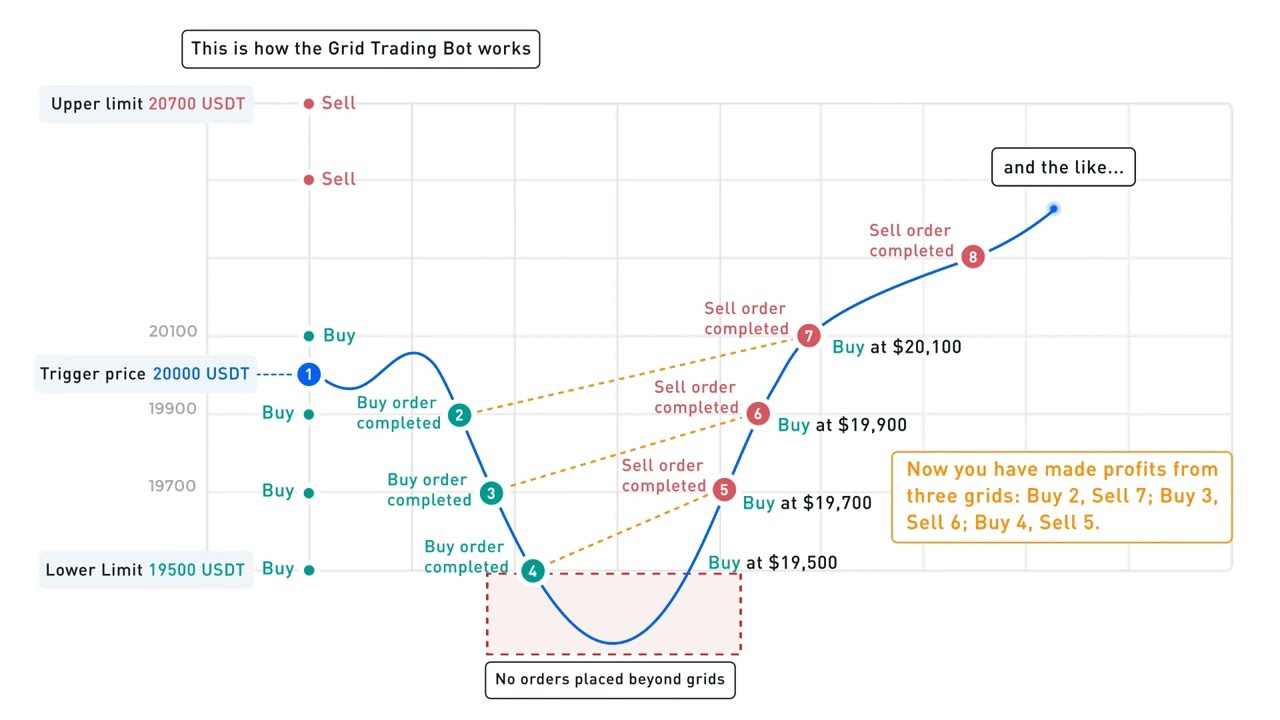
- Grid Trading: You pre‑define a price range and split it into grids (steps). The bot places buy orders below the current price and sell orders above it. As price bounces, it repeatedly buys lower and sells higher, aiming to capture many small wins. Grids are great in sideways/volatile markets; they underperform when price breaks out or trends hard.
The core question: which is better for swaps?
It depends on market regime, time horizon, and operational friction (fees, funding, and how much attention you can give it).
When a DCA bot makes more sense
Source: 3commas
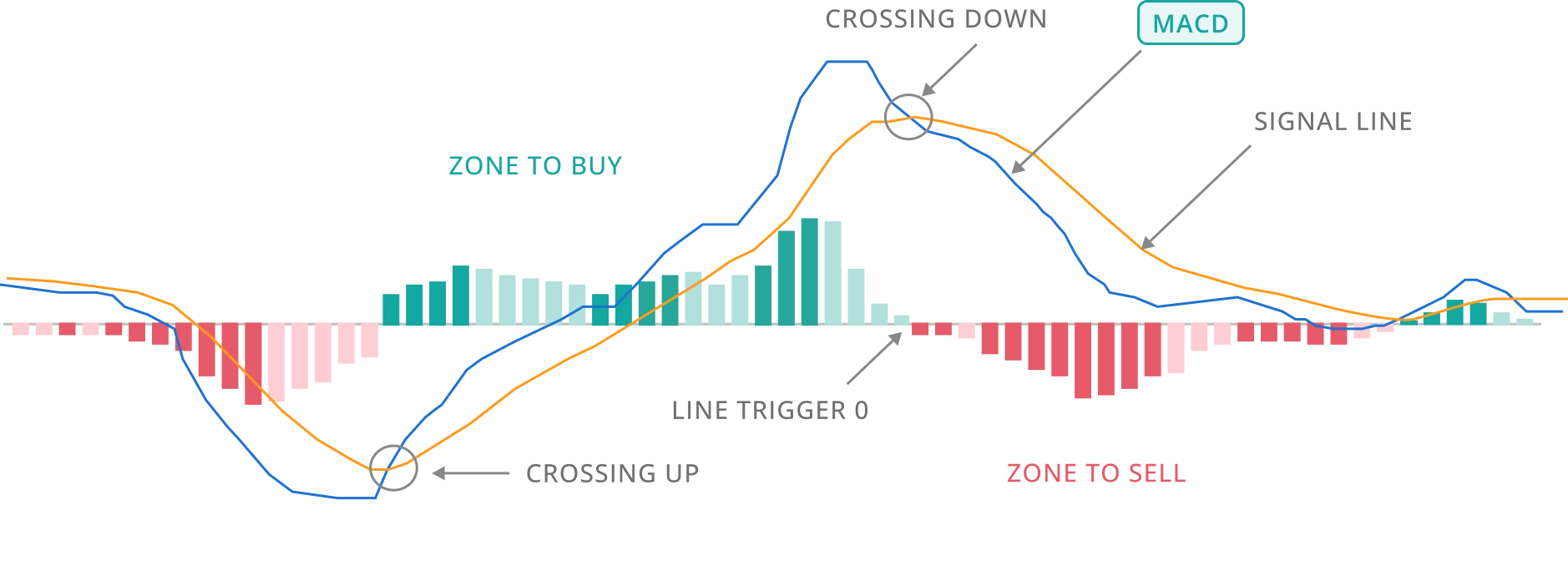
- You expect a trend (up or down) and want to avoid bad entry timing. DCA reduces the regret of buying the peak or selling the bottom.
- You want a set‑and‑forget plan. Recurring buys/sells at fixed times are simple, transparent, and easy to audit.
- You’re swapping once (or over a short window). For a single conversion—e.g., moving treasury from coin A to coin B over 2–6 weeks—a dca grid bot (really just scheduled DCA) is usually cleaner than standing up a full price grid.
When a grid bot makes more sense
Source: Dzen
- You expect a range‑bound, choppy market. The bot lives off mean‑reversion, buying dips and selling rips inside your chosen band.
- You want to monetize volatility. Frequent micro‑fills can outperform a passive DCA if price oscillates but doesn’t trend far.
- You’re comfortable babysitting parameters. Grids need monitoring: widen or shift the range if price escapes; pause or stop if conditions change.
Quick check: If you’d be upset that price runs away without you, DCA is safer. If you’d be happy to keep collecting small spreads while price chops around, a grid is interesting.
Practical pros and cons
DCA (dca vs grid)
Pros
- Dead simple; low maintenance; emotionally easy.
- Smooths entry/exit price; reduces single‑trade timing risk.
- Works fine in strong uptrends or downtrends (you keep participating).
Cons
- In narrow ranges, DCA may under‑utilize volatility versus a grid.
- If fees are high per transaction, splitting into many slices can add cost—batch intervals sensibly.
Grid (grid vs dca bot)
Pros
- Exploits chop by design; can generate many small realized gains.
- Naturally scales in/out as price moves, maintaining inventory discipline.
- Can be combined with TP/SL, trailing bands, or AI presets on some platforms.
Cons
- Performs poorly in runaway trends or regime shifts (your range becomes obsolete).
- Needs ongoing oversight (re‑centering ranges, adjusting grids).
- Fees, spreads, and (for futures grids) funding and liquidation risk can erode returns.
DCA or grid bot? Use this decision tree
- Is the pair trending?
- Yes → Prefer DCA.
- No / Ranging → Go Grid.
- What’s your horizon for the swap?
- One‑off or weeks → DCA (daily/weekly slices).
- Ongoing accrual/market‑making → Grid.
- What’s your fee situation?
- High per‑trade cost → Fewer DCA slices; use wider grids or larger step sizes.
- Low fees & tight spreads → More slices/grids are viable.
- Will you monitor it?
- Minimal attention → DCA.
- Active monitoring OK → Grid.
Parameter tips
For a DCA bot
- Cadence: For volatile coins, many traders prefer daily DCA over hourly to limit fee drag. Weekly may be fine for long‑horizon portfolios.
- Slice size: Equal‑notional slices (e.g., $100 per day) keep it simple. If you’re exiting, equal‑quantity slices are fine too.
- Stop conditions: Decide in advance when DCA is “done” (budget or target allocation reached).
For grids
- Pick a realistic range. Use recent support/resistance or average true range (ATR) to set the lower/upper bounds. Too narrow → overtrading; too wide → few fills.
- Number of grids: More grids = more trades with smaller profit per trade; fewer grids = fewer, larger bites. Match to fee structure.
- Take‑profit / stop‑loss: Add a global TP (if price exits the top of your range) and a global SL (below your lower bound) to avoid riding a trend the wrong way.
- Inventory bias: Choose neutral (hold both assets), long, or short bias according to your thesis. Spot grids avoid liquidation risk; futures grids introduce leverage and funding—use with caution.
What real users typically get wrong
- For DCA: Slicing too fine and paying more in fees than the timing benefit justifies; abandoning the plan mid‑drawdown; using DCA on assets they don’t want to hold if the thesis breaks.
- For Grids: Setting ranges based on hope, not stats; forgetting to widen or pause when volatility regime changes; running futures grids without a plan for funding spikes or margin calls.
Some mini‑examples
- You want to rotate 10,000 USDT into ETH over a month.
Choose DCA: 20 slices of $500 every market day. If fees are per‑trade, consider 8–10 larger slices. You’ll accept not catching the exact bottom, but you’ll avoid buying the single worst day. - You hold 5 ETH and plan to slowly rotate into BTC, but think the pair will range.
Choose a spot grid on ETH/BTC with a range bracketing recent highs/lows. Aim for 20–40 grids; add a global TP/SL. As ETH/BTC chops, you’ll rebalance incrementally, selling ETH higher and buying it back lower. - You believe a coin will trend up sharply after catalyst X.
Skip the grid; use DCA to build into the move, or even a simple lump sum if you’re very confident and fee‑sensitive (not advice!).
Risk and cost checklist
- Trading fees & spreads: Each fill costs. For DCA, don’t slice so thin that fees dominate. For grids, ensure per‑trade profit > (maker/taker fees + spread).
- Slippage: Thin books magnify both approaches’ costs; prefer liquid pairs.
- Operational risk: Wrong network, fat‑fingered ranges, or API errors can ruin good ideas.
- Leverage risk (futures grids): Funding payments and liquidation thresholds can wipe out small P&L wins—spot grids are safer for learners.
- Taxes: Frequent small realized trades (grids) may create many taxable events; DCA can, too. Keep records and ask a local professional.
DCA vs grid bot which is better? — a fair verdict
Neither is universally better. DCA wins for straightforward conversions, trend participation, and minimal babysitting. Grid wins for range‑bound volatility when you’re willing to manage ranges and fees. If you’re unsure, start with DCA for the core swap and layer a small, conservative spot grid only if the pair proves it’s actually ranging.
For most swap‑focused users, DCA first; grid if (and only if) the market’s behavior justifies it. That mindset keeps you honest about dca or grid bot decisions and prevents the classic mistake of forcing a grid onto a trending market—or DCA’ing into something you don’t really want to hold.
Disclaimer: The material in this article is not financial or investment advice. Everything stated here reflects the author's personal view and should not be treated as a recommendation to trade or invest. We make no warranties regarding the accuracy, reliability or completeness of the information presented. Cryptocurrency markets are highly volatile and can move unpredictably. Before committing any funds, every investor, trader or crypto user should study several independent sources and check the regulations that apply in their own jurisdiction.