

Crypto swaps let folks flip one digital asset for another quick, but snags along the way can stretch waits from minutes to hours or more. In the buzz of late 2025, as chains like Ethereum cut fees post-upgrades and Bitcoin steadies from halvings, delays still trip up trades. Why? Reasons range from jammed networks to low fees shoving your txn to the back. This piece breaks down common holdups and fixes, pulling from real cases where congestion or slips turn fast and flip slow. Whether new to swaps or tweaking setups, spotting these helps speed things without headaches. We’ll cover causes, solutions, and tips to keep moves smooth in this non-stop market.
Common Reasons Swaps Hang Up
Swaps slow for a bunch of reasons, often tied to how blockchains tick. Network congestion tops the list — when too many txns flood in, like during hype pumps, chains like Ethereum or Bitcoin backlog, pushing waits from seconds to hours. Delayed crypto payments happen when your swap sits in the mempool queue, waiting for miners to pick it up. Low fees amp this — miners grab high-payers first, leaving cheap ones hanging.
Slippage tolerance bites too: If prices shift past your set limit before confirmation, the swap reverts to dodge bad rates. Liquidity dry-ups in pools cause failures, especially on DeFi like Uniswap where thin books lead to sandwiches by bots. Wallet glitches or wrong settings, like low gas, drop txns before they start. In 2025, third-party routes add layers — if providers lag, your swap drags. Bitcoin transactions often fail from these — declined bitcoin transactions fail if fees don’t cut it or nets clog.
Network Jams and Fixes
Congestion strikes when demand spikes, like news drops or airdrops flooding chains. Bitcoin’s 10-min blocks mean waits stack quick; Ethereum’s faster but gas wars push prices up. Delayed bitcoin transactions average 60 mins or more in peaks, per mempool data.
To fix: Bump fees for priority — set higher gas on Ethereum or sats on Bitcoin to jump queues. Time trades off-peak — early UTC mornings see less traffic.
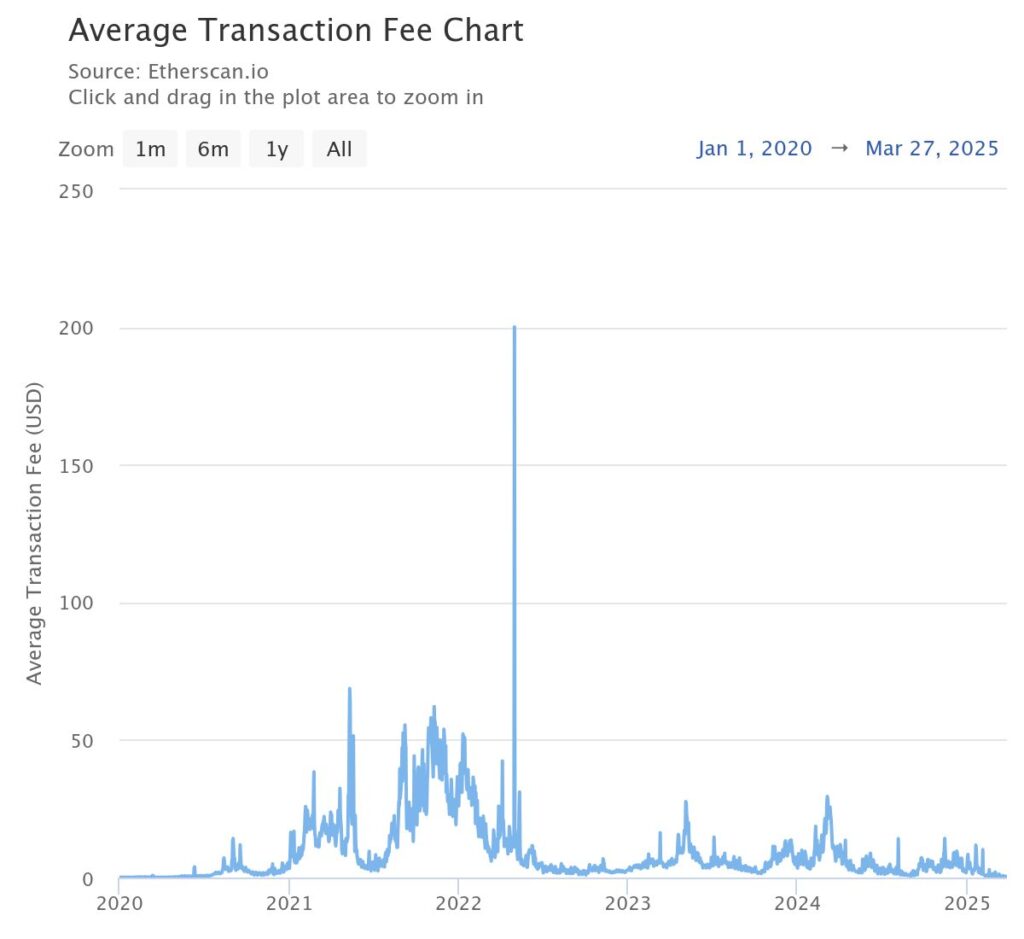
Switch chains: Use Tron or Solana for USDT swaps, which confirms zip in seconds. Bitcoin send delayed? Wait it out or cancel/resend with higher fees if stuck. In 2025, L2s like Arbitrum cut mainnet loads, speeding base-layer swaps.
Slippage and Liquidity Snags
Price slips happen when markets move fast — your swap sets at one rate, but by confirming, it’s off, triggering fails if tolerance is tight. Liquidity lows in pools amp this — small books mean big orders shift prices hard, causing reverts.
Fixes: Up slippage to 1-5% for wiggle room, but watch for worse fills. Pick deep pools on Uniswap or similar for less impact. Use limit orders if available, locking rates. In high vol, wait for calm — 2025’s AI tools on exchanges predict slips for better sets.
Wallet and Platform Hitches
Wallet woes like low balances for gas or wrong chains cause crypto failed transaction drops. Platforms add delays with checks — big swaps might hold for manual okays or KYC. Failed bitcoin transaction from unsupported tokens or glitches.
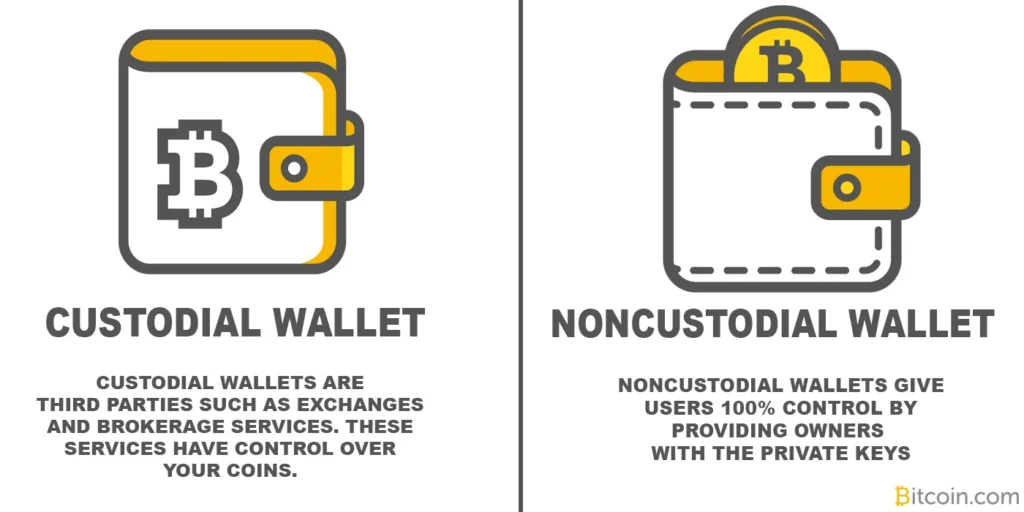
To mend: Top up gas ahead, double-check chains — USDT on ERC20 vs TRC20. Use non-custodial for less holds, or wait 60 seconds on reverts before retry. Contact support if stuck — exchanges like Coinbase flag issues quickly. Bitcoin failed transaction? Resubmit with higher fees if dropped.
Leading Fixes for Common Delays
Here’s a table of holdups with average impacts and quick mends from 2025 data.
| Issue | Average Delay | Why It Happens | How to Fix | Notes |
| Congestion | 10-60 mins | High txn loads | Higher fees, off-peak | Hits ETH/BTC hard |
| Low Fees | 30 mins+ | Low priority | Bump gas/sats | Miners pick payers |
| Slippage | Instant fail | Price shifts | Up tolerance | Set 1-3% |
| Liquidity Low | Fail | Thin pools | Deeper pairs | Use majors |
| Wallet Gas Low | Fail | Insufficient balance | Top up | Check before |
| Platform Checks | 5-30 mins | Security holds | Verify early | Big sums trigger |
| Chain Mismatch | Fail | Wrong net | Match chains | ERC20 vs TRC20 |
| Attacks/Spam | Hours | Net floods | Wait or switch | Rare but hits |
| Updates/Maintenance | Variable | Chain works | Check status | Plan around |
| Verification Delays | Minutes-hours | KYC/AML | Pre-verify | Reg spots |
Congestion tops for waits, per mempool stats.
Tips to Speed Up Swaps
What is the fastest way to execute a crypto swap? Opt for low-congestion chains and high fees. Here’s a list of boosters.
- Pick fast nets: Solana or Tron for under-1-sec confirms.
- Time off-peaks: Early UTC for less crowd.
- Use non-custodial: Skip holds on centralized.
- Set right slippage: 0.5-2% for balance.
- Monitor mempool: Tools like Mempool.space flag queues.
- Batch small: Big swaps trigger checks, split for speed.
- Retry smart: Wait 60 secs on fails, adjust fees.
- Go DEX: Uniswap for direct, but watch gas.
- Pre-fund gas: Keep extras for spikes.
- Switch providers: If one lags, try another.
These cut average 50% per user sometimes.
Tools to Smooth Swaps
Scanners like Etherscan track status, showing if stuck. Apps on wallets flag low fees pre-send. For seamless crypto-to-crypto without KYC, Quickex offers quick executions, ideal for dodging delays in private swaps.
In 2025, AI on exchanges predicts congestion, suggesting fees. Communities share chain statuses for real-time tips.
Wrapping Up Delay Fixes
Delays in crypto swaps, from jammed nets to low fees, frustrate but fix with smart tweaks. Bitcoin transactions failed or delayed bitcoin transactions often stem from these, but bumping priorities or timing right flips the script. Crypto failed transaction hits less with checks — verify gas, slippage, and liquidity before hits. In 2025’s buzzing chains, tools and tips like off-peak trades or fast nets cut waits big. Remember, patience pairs with prep; test small, learn from slips, and pick platforms wisely. As markets speed with L2s and upgrades, staying ahead means blending know-how with quick fixes for smoother rides. Dodge these holdups, and your swaps turn from drags to dashes, unlocking crypto’s full zip without the wait woes.
Disclaimer: The material in this article is not financial or investment advice. Everything stated here reflects the author's personal view and should not be treated as a recommendation to trade or invest. We make no warranties regarding the accuracy, reliability or completeness of the information presented. Cryptocurrency markets are highly volatile and can move unpredictably. Before committing any funds, every investor, trader or crypto user should study several independent sources and check the regulations that apply in their own jurisdiction.